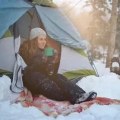
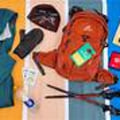
When planning a camping trip, understanding your cooking needs is essential for a successful outdoor experience. The type of camping and hiking you choose will significantly influence the equipment you require. For instance, a weekend getaway at a campsite with amenities will differ vastly from a backcountry trek where you must carry everything on your back. Assessing your specific camping cooking requirements will help you make informed decisions about what gear to bring along. Consider the number of people in your group and their dietary preferences.
Are you cooking for a family with diverse tastes, or are you preparing meals for a group of friends who enjoy simple fare? Understanding these dynamics will guide you in selecting the right tools, from portable stoves to lightweight cookware. Additionally, think about the types of meals you plan to prepare. Will you be whipping up gourmet dishes or sticking to quick and easy options? This consideration will further refine your choices. Moreover, the duration of your trip plays a crucial role in determining your outdoor cooking requirements. For longer excursions, investing in more versatile and durable equipment may be worthwhile, while shorter trips might allow for more compact and lightweight options.
By taking the time to evaluate these factors, you can ensure that your cooking setup enhances your camping experience rather than complicating it.
Types of Camping Cooking Equipment
When planning a camping trip, selecting the right cooking equipment is essential for a successful outdoor experience. The variety of camping cookware available can cater to different cooking styles and preferences, ensuring that you can prepare delicious meals in the great outdoors.- Camping Stoves: A reliable camping stove is a must-have for any outdoor chef. Options range from lightweight portable stoves that run on propane or butane to more robust models that can handle larger cooking tasks. Consider the number of people in your group and the types of meals you plan to prepare when choosing a stove.
- Pots and Pans: Look for outdoor cooking gear made from durable materials such as stainless steel or anodised aluminium.
These materials are lightweight and heat evenly, making them ideal for camping. A good set should include a frying pan, a saucepan, and possibly a larger pot for boiling water or cooking stews.
- Utensils: Don’t forget the essential utensils! A spatula, ladle, and tongs are crucial for cooking over an open flame or on a stove. Opt for lightweight, compact options that can easily fit into your camping gear.
- Cutting Boards and Knives: A sturdy cutting board and a sharp knife are indispensable for meal prep. Look for foldable or multi-functional tools that save space while providing versatility.
- Coolers and Food Storage: Keeping your ingredients fresh is vital.
Invest in a good cooler to store perishables and consider airtight containers to protect your food from wildlife.
Factors to Consider When Choosing Cooking Equipment
When planning a camping trip, selecting the right cooking equipment is crucial for a successful outdoor experience. Several factors should be considered to ensure that your gear meets your needs while remaining practical and efficient.- Weight: One of the primary considerations is the weight of the cooking equipment. Since you will likely be carrying your gear on hikes, opt for lightweight materials that do not compromise on durability.
Look for compact options that can easily fit into your backpack without adding unnecessary bulk.
- Size: The size of your cooking equipment should also be taken into account. Choose items that are appropriately sized for the number of people in your group. For solo campers, a small pot or pan may suffice, while larger groups might require more extensive setups. Additionally, consider nesting cookware that can save space.
- Fuel Type: Different cooking methods require different fuel types.
Common options include propane, butane, and wood-burning stoves. Each has its advantages and disadvantages regarding availability, weight, and ease of use. For instance, propane stoves are convenient and easy to ignite but may require carrying extra fuel canisters.
- Ease of Use: The complexity of your cooking equipment can significantly impact your camping experience. Look for gear that is user-friendly and quick to set up.
Features like automatic ignition or integrated windshields can enhance usability, especially in challenging outdoor conditions.
- Durability: Camping environments can be harsh, so it’s essential to choose equipment made from robust materials that can withstand wear and tear. Stainless steel and anodised aluminium are excellent choices for pots and pans due to their resistance to corrosion and damage.
- Cleaning and Maintenance: After a long day of hiking, the last thing you want is to spend hours cleaning up. Opt for non-stick surfaces or equipment that is easy to clean with minimal effort. Consider how you will maintain your gear during the trip as well.
This will not only enhance your cooking experience but also contribute to a more enjoyable overall trip.
Essential Cooking Gear for Different Types of Camping
When planning a camping trip, the type of cooking gear you choose can significantly impact your experience. Different camping scenarios require tailored equipment to ensure you can prepare meals efficiently and enjoyably.Backpacking Cooking Gear
For those who prefer backpacking, lightweight and compact cooking gear is essential. Here are some must-have items:- Portable Stove: A small, fuel-efficient stove is crucial for quick meal preparation. Look for models that are easy to set up and pack away.
- Cookware: Opt for titanium or aluminium pots and pans that are both lightweight and durable.
A single pot can often suffice for boiling water and cooking meals.
- Utensils: A multi-tool or a set of collapsible utensils will save space while providing everything you need to cook and eat.
- Food Storage: Use resealable bags or lightweight containers to keep your food fresh and protected from wildlife.
Car Camping Cooking Equipment
If you're going car camping, you have the luxury of bringing more gear without the weight restrictions of backpacking. Consider these essentials:- Camp Kitchen Table: A sturdy table provides a dedicated space for food prep and cooking, making your campsite more organised.
- Grill or Portable BBQ: A grill allows for versatile cooking options, from grilling meats to roasting vegetables.
- Cooler: Keeping perishables fresh is vital; invest in a high-quality cooler that can maintain temperature over several days.
- Campsite Cookware Set: A complete set with pots, pans, and utensils designed for outdoor use will enhance your cooking experience.
Family Camping Cooking Equipment
For family outings, the focus shifts to convenience and variety. Here’s what to consider:- Dutch Oven: Perfect for slow-cooking meals, a cast-iron Dutch oven can be used over an open fire or on a camp stove.
- Larger Pots and Pans: Ensure you have enough cookware to prepare meals for multiple people at once.
- Dining Set: Bring along plates, bowls, and cutlery that are durable yet lightweight, making it easy to serve meals to the whole family.
- Portable Coffee Maker: For many families, starting the day with a good cup of coffee is essential; consider a compact coffee maker designed for camping.
Safety Tips for Cooking While Camping
When embarking on a camping trip, ensuring cooking safety is paramount to prevent accidents and health issues. Here are some essential tips to keep in mind:- Choose a Safe Cooking Location: Always set up your cooking area away from tents, trees, and other flammable materials.
A flat, stable surface is ideal to prevent spills and accidents.
- Use Approved Cooking Equipment: Opt for camping stoves or grills that are specifically designed for outdoor use. Avoid using indoor appliances as they can pose fire hazards.
- Maintain Fire Safety: If using an open flame, ensure you have a fire extinguisher or a bucket of water/sand nearby. Always monitor the fire and never leave it unattended.
- Practice Food Hygiene: Keep raw and cooked foods separate to avoid cross-contamination. Use separate utensils for handling raw meat and vegetables.
- Store Food Properly: Use airtight containers to keep food safe from wildlife.
Store food at least 200 feet away from your sleeping area to deter animals.
- Check Weather Conditions: Be aware of the weather forecast before cooking outdoors. High winds can increase the risk of fire spreading, so it’s best to postpone cooking if conditions are unsafe.
Frequently Asked Questions About Camping Cooking Equipment
When planning a camping trip, many enthusiasts have questions about the best cooking equipment to bring along. Here are some of the most frequently asked questions regarding camping cooking equipment.What type of stove is best for camping?
The choice of stove largely depends on your cooking needs and the number of people in your group.Portable gas stoves are popular for their ease of use and quick setup. Alternatively, wood-burning stoves offer a more traditional experience and can be more environmentally friendly, provided you follow local regulations.
How do I choose cookware for camping?
When selecting cookware, consider materials that are lightweight and durable.Titanium
and aluminium pots and pans are excellent choices as they heat quickly and are easy to clean. Additionally, look for nesting cookware sets that save space in your pack.What utensils should I bring?
- Spatula: A lightweight spatula is essential for flipping food.
- Cutting board: A compact cutting board can make food prep easier.
- Multi-tool: A good multi-tool can serve multiple purposes, reducing the need for extra utensils.
Are there any safety tips for cooking while camping?
Absolutely! Always cook at least 200 feet away from water sources to prevent contamination.Ensure your cooking area is flat and stable to avoid spills. Additionally, keep a fire extinguisher or a bucket of water nearby when using open flames.
Can I use my regular kitchen gear for camping?
While you can use some regular kitchen gear, it’s advisable to invest in camping-specific equipment. Regular items may be too bulky or heavy for hiking. Look for gear designed for portability and durability.By addressing these common queries, campers can make informed decisions about their cooking equipment, ensuring a more enjoyable outdoor experience.Conclusion: Making Informed Choices for Your Next Adventure
In conclusion, selecting the right cooking equipment for your camping and hiking adventures is crucial for ensuring a successful and enjoyable experience in the great outdoors.By considering factors such as weight, durability, and functionality, you can make informed choices that cater to your specific needs.Throughout this article, we have explored various types of cooking gear, from lightweight stoves to multi-functional cookware. Each piece of equipment plays a vital role in enhancing your culinary experience while camping. Remember to assess the size and capacity of your cooking tools to ensure they align with the number of people in your group and the types of meals you plan to prepare.Moreover, it’s essential to consider the fuel type that best suits your camping style. Whether you opt for propane, butane, or wood-burning stoves, understanding their pros and cons will help you make a choice that balances convenience with environmental impact.Lastly, don’t forget about safety and maintenance.
Always pack necessary safety gear, such as fire starters and first aid kits, and ensure that your cooking equipment is well-maintained before hitting the trails. This not only enhances your safety but also prolongs the life of your gear.By taking these factors into account, you can confidently choose the right cooking equipment for your next camping trip. With the right tools at your disposal, you’ll be able to create delicious meals that fuel your adventures and create lasting memories in nature.