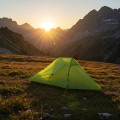
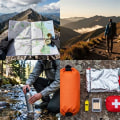
When planning a camping and hiking trip, understanding your destination is crucial for ensuring a safe and enjoyable experience. The first step is to research potential camping locations that align with your interests and skill level. Whether you prefer the rugged beauty of national parks or the serene landscapes of local nature reserves, each location offers unique features that can enhance your adventure. Additionally, exploring natural alternatives for food and supplies can contribute to a healthier experience in the great outdoors. that align with your interests and skill level. Whether you prefer the rugged beauty of national parks or the serene landscapes of local nature reserves, each location offers unique features that can enhance your adventure. Additionally, exploring natural alternatives for food and supplies can contribute to a healthier experience in the great outdoors.
Consider factors such as accessibility, available facilities, and the type of terrain you will encounter. Next, delve into the specific hiking trails available in your chosen area. Look for detailed maps and trail descriptions that provide insights into the distance, elevation gain, and difficulty level. This information is vital for selecting a trail that matches your physical capabilities and time constraints. Additionally, pay attention to seasonal conditions; some trails may be impassable during certain times of the year due to weather or maintenance. Equally important are the local regulations that govern camping and hiking in your selected destination.
Many national parks and protected areas have specific rules regarding campfires, wildlife interactions, and waste disposal to preserve the natural environment. Familiarising yourself with these regulations not only helps protect the ecosystem but also ensures you avoid potential fines or penalties during your trip. By taking the time to thoroughly research your destination, you can make informed decisions that enhance your camping and hiking experience while ensuring safety and compliance with local guidelines.
Choosing the Right Gear
When planning a camping and hiking trip, selecting the right gear is essential for ensuring a safe and enjoyable experience. A well-thought-out camping gear checklist can help you avoid forgetting crucial items.Tents are one of the most important pieces of equipment. When choosing a tent, consider factors such as size, weight, and weather resistance.Look for options that are easy to set up and pack away. Popular choices include dome tents for their stability and backpacking tents for their lightweight design.Backpacks also play a vital role in your hiking experience. Opt for a backpack that fits comfortably and has enough capacity to hold your essentials without being overly bulky. Features like hydration reservoirs and multiple compartments can enhance convenience on the trail. Clothing is another critical aspect of your gear selection.
Layering is key; start with moisture-wicking base layers, add insulating mid-layers, and finish with a waterproof outer layer. Don’t forget to pack appropriate footwear—hiking boots should provide good ankle support and traction. Cooking equipment is essential for camping trips. A portable stove or campfire cooking gear will allow you to prepare meals easily. Consider lightweight cookware and utensils that are easy to clean and pack.
Additionally, bring along a reliable cooler to keep perishables fresh. Finally, don’t overlook essential items for camping, such as a first aid kit, navigation tools (like maps or GPS devices), and lighting options like headlamps or lanterns. These items can significantly enhance your safety and comfort while enjoying the great outdoors. By carefully selecting your gear based on these considerations, you can ensure that your camping and hiking adventure is both enjoyable and memorable.
Planning Your Itinerary
When planning your camping and hiking trip, creating a well-structured itinerary is essential for ensuring a smooth and enjoyable experience. A balanced itinerary not only includes your hiking routes but also incorporates rest periods and various activities to keep everyone engaged.Determine Your Hiking Routes
Start by selecting the hiking trails that suit your group’s skill level and interests. Research the difficulty of each trail, estimated hiking times, and any notable landmarks along the way.Websites and apps dedicated to hiking can provide valuable insights into trail conditions and user reviews.
Incorporate Rest Periods
It’s crucial to schedule regular breaks during your hikes. This allows everyone to recharge, enjoy the scenery, and stay hydrated. Consider the following when planning your rest periods:- Frequency: Plan to take a break every 1-2 hours of hiking.
- Duration: Each break should last around 10-15 minutes, longer if you’re having a snack or enjoying a view.
- Location: Choose scenic spots or shaded areas for your breaks to enhance the experience.
Plan Daily Activities
Your camping itinerary should also include activities beyond hiking. Consider adding:- Campsite Games: Bring along cards or outdoor games for evening entertainment.
- Wildlife Watching: Allocate time for observing local wildlife, which can be both educational and exciting.
- Cooking Together: Plan meals that involve everyone in the cooking process, making it a fun group activity.
Remember to remain flexible; sometimes the best memories come from unplanned adventures!
Safety Considerations
When embarking on a camping and hiking adventure, prioritising safety is paramount. Understanding the potential risks and preparing accordingly can make the difference between a memorable experience and a dangerous situation.Wildlife Encounters
One of the most significant safety concerns in the great outdoors is wildlife. To minimise risks:- Store food properly: Use bear-proof containers or hang food from trees to avoid attracting animals.
- Keep a safe distance: If you encounter wildlife, observe from afar and never approach or feed them.
- Know the local fauna: Research the types of wildlife in the area and understand their behaviours.
Weather Preparedness
The weather can change rapidly in outdoor environments, so being prepared is crucial:- Check forecasts: Always check the weather before your trip and be prepared for sudden changes.
- Dress in layers: Wear moisture-wicking base layers, insulating mid-layers, and waterproof outer layers to adapt to varying conditions.
- Have a plan: Know your route and have an exit strategy in case of severe weather.
First Aid for Camping Trips
A well-stocked first aid kit is essential for any camping and hiking trip. Here are some key items to include:- Bandaids and dressings: For cuts and scrapes.
- Antiseptic wipes: To clean wounds and prevent infection.
- Pain relief medication: Such as ibuprofen or paracetamol for aches and pains.
- Emergency blanket: To retain body heat in case of hypothermia.
Being prepared not only enhances your safety but also allows you to enjoy your camping and hiking experience to the fullest.
Leave No Trace Principles
When embarking on a camping and hiking adventure, it is crucial to adhere to the Leave No Trace principles. These guidelines are designed to minimise your environmental impact and ensure that natural spaces remain pristine for future generations.Understanding Leave No Trace
The Leave No Trace framework consists of seven core principles:- Plan Ahead and Prepare: Proper planning helps you avoid potential hazards and reduces the likelihood of damaging the environment.
- Travel and Camp on Durable Surfaces: Stick to established trails and campsites to prevent soil erosion and protect vegetation.
- Dispose of Waste Properly: Pack out what you pack in. This includes food scraps, trash, and even human waste in some areas.
- Leave What You Find: Preserve the natural environment by not removing rocks, plants, or historical artefacts.
- Minimise Campfire Impact: Use a stove for cooking instead of making a fire, and if fires are permitted, use established fire rings.
- Respect Wildlife: Observe animals from a distance and never feed them. This helps maintain their natural behaviours.
- Be Considerate of Other Visitors: Keep noise levels down and maintain privacy to enhance everyone’s experience in nature.
The environmental impact of hiking can be significant if proper care is not taken; therefore, being mindful of your actions is essential. Each hiker and camper has a role in preserving the beauty of our natural landscapes.Incorporating these practices into your outdoor routine fosters a culture of respect for nature. As you plan your next camping and hiking trip, remember that every small action contributes to the larger goal of environmental stewardship. Together, we can ensure that our favourite outdoor spaces remain vibrant and accessible for years to come.
Food and Nutrition Planning
When planning a camping and hiking trip, food and nutrition are crucial elements that can significantly impact your experience.Proper meal planning ensures you have the energy needed for hiking while enjoying delicious meals in the great outdoors.
Camping Meal Ideas
- Breakfast: Start your day with hearty options like oatmeal topped with dried fruits and nuts, or scrambled eggs with vegetables. These meals provide essential nutrients and sustained energy.
- Lunch: Pack lightweight sandwiches using whole grain bread, nut butter, and banana. Alternatively, consider wraps filled with hummus, spinach, and sliced turkey for a nutritious boost.
- Dinner: One-pot meals are ideal for camping. Try a chilli con carne or a vegetable stir-fry with rice.
These dishes are easy to prepare and can be made in advance and reheated.
- Snacks: Keep energy levels up with trail mix, energy bars, or fresh fruit. These snacks are portable and provide quick energy during hikes.
Nutrition for Hikers
Maintaining proper nutrition while hiking is essential. Aim for a balanced diet that includes carbohydrates for energy, proteins for muscle repair, and fats for long-lasting fuel. Hydration is equally important; always carry enough water and consider electrolyte tablets to replenish lost minerals.
Food Storage While Camping
Effective food storage is vital to prevent spoilage and keep wildlife at bay.
Here are some tips:
- Use airtight containers: Store dry foods like pasta, rice, and snacks in airtight containers to keep them fresh.
- Coolers: If you're bringing perishable items, invest in a good cooler with ice packs to maintain a safe temperature.
- Bear-proof storage: In areas with wildlife, use bear-proof containers or hang food from trees to avoid attracting animals.
Preparing for Different Weather Conditions
When planning a camping and hiking trip, one of the most critical aspects to consider is how to prepare for different weather conditions. The great outdoors can be unpredictable, and being caught unprepared can turn an enjoyable adventure into a challenging ordeal.Camping in Rain
Rain can be a common occurrence, even in the most unexpected places. To ensure a comfortable experience while camping in rain, consider the following tips:- Choose the Right Tent: Invest in a waterproof tent with a rainfly to keep you dry. Ensure that the tent is properly pitched to avoid water pooling.
- Packing Essentials: Use waterproof bags for your gear and clothing.
This will protect your belongings from getting soaked.
- Stay Dry: Wear moisture-wicking clothing and pack a reliable waterproof jacket. Avoid cotton, as it retains moisture.
Hiking in Cold Weather
Cold weather hiking presents its own set of challenges. To stay safe and warm while hiking in cold weather, follow these guidelines:- Layer Your Clothing: Use a layering system that includes a moisture-wicking base layer, an insulating middle layer, and a waterproof outer layer.
- Footwear Matters: Invest in insulated, waterproof boots to keep your feet warm and dry. Don’t forget thick, warm socks!
- Stay Hydrated: It’s easy to forget to drink water in cold weather, but staying hydrated is crucial for maintaining body heat.
Weather Preparation Tips for Outdoor Trips
No matter the season, preparation is key.Here are some essential weather preparation tips for outdoor trips:
- Check the Forecast: Always check the weather forecast before your trip and be prepared for sudden changes.
- Packing Smart: Pack versatile clothing that can be layered or removed as temperatures fluctuate throughout the day.
- Emergency Gear: Carry emergency supplies such as a first aid kit, extra food, and a portable shelter in case of unexpected weather changes.
FAQs About Camping and Hiking Trips
When planning a camping and hiking trip, it's common to have several questions. Here are some frequently asked questions that can help you prepare effectively:What should I pack for a camping and hiking trip?
Essential items to consider include:- Tent and sleeping gear: Ensure your tent is suitable for the weather conditions and pack a comfortable sleeping bag.
- Clothing: Dress in layers to adapt to changing temperatures. Waterproof jackets and sturdy hiking boots are crucial.
- Food and water: Bring non-perishable food items and a reliable water filtration system or purification tablets.
- First aid kit: Always have a basic first aid kit on hand for minor injuries.
- Navigation tools: A map, compass, or GPS device can help you stay on track.
How do I choose a campsite?
Selecting the right campsite is vital for a successful trip.Consider the following:
- Proximity to water: Ensure you are near a water source but not too close to avoid flooding.
- Terrain: Look for flat ground free of rocks and debris for setting up your tent.
- Safety: Avoid areas prone to falling branches or flooding, and check for wildlife activity.
What are some tips for beginners in camping and hiking?
If you're new to camping and hiking, here are some helpful tips:- Start small: Choose shorter trails and local campsites to build your confidence.
- Learn basic skills: Familiarise yourself with setting up a tent, starting a fire, and using navigation tools.
- Go with experienced friends: Joining seasoned campers can provide valuable insights and support.
- Respect nature: Follow Leave No Trace principles to protect the environment.