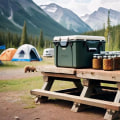
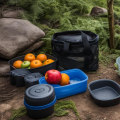
Cooking while camping is an essential skill that can significantly enhance your outdoor experience. Whether you are embarking on a weekend getaway or a week-long hiking expedition, understanding the basics of camping cooking is crucial for both nourishment and enjoyment. The wilderness offers a unique opportunity to connect with nature, and preparing meals outdoors can be a rewarding part of that adventure. However, it requires careful meal preparation and the right equipment to ensure that your culinary efforts are successful. Before you set off on your camping trip, it’s important to plan your meals in advance.
Consider the duration of your stay, the number of people in your group, and dietary preferences. This will help you create a shopping list that includes all necessary ingredients while minimising waste. Additionally, think about the cooking equipment for camping that you will need. Lightweight stoves, portable grills, and compact cookware can make a significant difference in how efficiently you can prepare meals in the great outdoors. Moreover, understanding how to store food safely and manage cooking times is vital.
The last thing you want is to deal with spoiled ingredients or undercooked meals while surrounded by nature. By familiarising yourself with these basics, you can ensure that your camping cooking experience is not only enjoyable but also safe and satisfying.
Choosing the Right Cooking Equipment
When it comes to camping and hiking, having the right cooking equipment can make all the difference in your outdoor culinary experience. Whether you're a seasoned camper or a novice, understanding what camping cooking gear to bring is essential for preparing delicious meals in the great outdoors.- Portable Stoves: A reliable portable stove is a must-have for any camping trip. Look for lightweight models that are easy to set up and use.
Options like propane stoves or multi-fuel stoves offer versatility and efficiency, allowing you to cook a variety of meals.
- Cookware: Invest in essential camping cookware such as pots, pans, and skillets made from durable materials like stainless steel or non-stick coatings. Consider nesting cookware sets that save space in your pack. Don’t forget a kettle for boiling water!
- Utensils: Bring along a set of lightweight utensils, including spatulas, tongs, and serving spoons. Opt for multi-tools that combine several functions into one compact item, reducing the number of individual pieces you need to carry.
- Cutting Boards and Knives: A small cutting board and a sharp knife are essential for meal prep.
Look for foldable or compact options that are easy to pack.
- Food Storage: Proper food storage is crucial to keep your ingredients fresh and safe from wildlife. Use airtight containers or resealable bags to protect your food from moisture and pests.
- Cleaning Supplies: Don’t forget about cleaning up after your meals! Bring biodegradable soap, a sponge, and a small towel for drying dishes. A portable sink or collapsible basin can also be handy for washing up.
Meal Planning for Camping Trips
When it comes to meal planning for camping trips, preparation is key to ensuring a stress-free and enjoyable outdoor experience.Here are some essential tips to help you create a well-structured meal plan that caters to your needs and preferences.
- Consider Your Cooking Equipment: Before you start planning meals, take stock of the cooking gear you’ll have on hand. Whether it’s a portable stove, grill, or just a campfire, your equipment will dictate what meals are feasible. Opt for easy camping meals that require minimal cooking time and equipment.
- Plan for Dietary Restrictions: If you’re camping with a group, be sure to consider any dietary restrictions or preferences. This could include vegetarian, vegan, gluten-free, or nut-free options.
Having a variety of meals ensures everyone can enjoy the food without worry.
- Choose Simple Recipes: Look for camping meal ideas that are straightforward and quick to prepare. Dishes like foil packet meals, one-pot pasta, or pre-made salads can save time and effort. Additionally, consider meals that can be cooked in bulk and stored for later use.
- Create a Shopping List: Once you’ve decided on your meals, make a detailed shopping list. This will help you avoid forgetting essential ingredients and reduce food waste.
Stick to non-perishable items where possible, such as canned goods and dried fruits.
- Prep Ahead of Time: To make cooking easier while camping, do as much prep work at home as possible. Chop vegetables, marinate meats, or even pre-cook certain dishes that can be easily reheated over the campfire.
Easy and Delicious Camping Recipes
When it comes to camping recipes, simplicity and flavour are key. Here are some easy and delicious meals that can be prepared with minimal fuss, perfect for your next outdoor adventure.One-Pot Camping Recipes
- Campfire Chili: Combine canned beans, diced tomatoes, corn, and your choice of spices in a pot over the fire.
Let it simmer for about 20 minutes for a hearty meal.
- Vegetable Stir-Fry: Pack pre-cut vegetables and a small bottle of soy sauce. Sauté them in a pan over the campfire for a quick and nutritious dish.
- Pasta Primavera: Boil pasta in one pot, then add fresh or frozen vegetables and a splash of olive oil. Season with salt and pepper for a delightful meal.
Quick Camping Meals
- Tortilla Wraps: Fill tortillas with deli meats, cheese, and salad greens. Roll them up for an easy-to-eat meal on the go.
- Couscous Salad: Couscous cooks quickly; just add boiling water.
Mix in chopped vegetables, feta cheese, and a drizzle of olive oil for a refreshing salad.
- Instant Oatmeal: Perfect for breakfast, just add hot water to instant oatmeal packets. Top with dried fruits or nuts for added flavour.
Cooking Techniques for the Great Outdoors
When it comes to cooking while camping, mastering a few essential cooking techniques can elevate your outdoor dining experience. Here are some effective methods to consider:Grilling
Grilling is perhaps the most popular method for outdoor cooking.It not only imparts a delicious smoky flavour to your food but also allows for quick cooking. Here are some tips for successful grilling:
- Choose the Right Grill: Portable grills or campfire grills are ideal for camping. Ensure they are easy to set up and pack away.
- Preheat the Grill: Allow your grill to heat up before placing food on it. This helps achieve those perfect grill marks and prevents sticking.
- Use Marinades: Marinating your meats and vegetables beforehand can enhance flavour and tenderness.
Boiling
Boiling is another straightforward technique, especially useful for preparing soups, stews, or pasta.Here’s how to make the most of this method:
- Bring Water to a Rolling Boil: Use a pot with a lid to speed up the boiling process.
- Add Ingredients Gradually: For dishes like stews, add ingredients in stages based on their cooking times.
- Season Wisely: Add herbs and spices towards the end of cooking to preserve their flavours.
Foil Packets
Foil packets are an ingenious way to cook meals with minimal cleanup. They allow for even cooking and can be prepared ahead of time:- Select Your Ingredients: Choose proteins, vegetables, and seasonings that complement each other.
- Tightly Seal the Packets: Ensure there are no leaks to keep moisture in and prevent burning.
- Cook Over Coals or on a Grill: Place packets directly on hot coals or on a grill for about 15-20 minutes, depending on the contents.
Safety Tips for Cooking While Camping
When it comes to cooking while camping, safety should always be a top priority. Ensuring that you follow proper safety protocols can prevent accidents and health issues, allowing you to enjoy your outdoor experience fully.Food Safety While Camping
Maintaining food safety is crucial when preparing meals in the great outdoors.Here are some essential tips:
- Store food properly: Keep perishable items in a cooler with ice packs to prevent spoilage. Use airtight containers to protect food from wildlife.
- Keep raw and cooked foods separate: To avoid cross-contamination, use different utensils and cutting boards for raw meats and ready-to-eat foods.
- Cook food thoroughly: Ensure that meats are cooked to the appropriate internal temperatures to kill harmful bacteria. A food thermometer can be a handy tool for this.
- Dispose of waste responsibly: Pack out all food scraps and waste to keep your campsite clean and safe from attracting animals.
Fire Safety While Cooking Outdoors
Cooking over an open flame can be enjoyable, but it also comes with risks. Follow these fire safety tips:- Choose a safe cooking area: Set up your cooking station away from tents, dry grass, and overhanging branches.
Look for a flat, stable surface.
- Use a designated fire pit: If available, use established fire pits or grills to minimise the risk of wildfires.
- Keep water nearby: Always have a bucket of water or a fire extinguisher close at hand in case of emergencies.
- Never leave a fire unattended: Always monitor your cooking fire and ensure it is completely extinguished before leaving the area or going to bed.
Frequently Asked Questions About Camping Cooking
When it comes to camping cooking, many first-time campers have a plethora of questions. Here are some of the most frequently asked questions that can help you prepare for your outdoor culinary adventures.What are the best meals to cook while camping?
Simple meals that require minimal preparation are ideal for camping. Consider options like:- One-pot dishes: Meals like stews or pasta can be cooked in a single pot, reducing cleanup time.
- Grilled items: Marinated meats and vegetables can be easily grilled over a campfire.
- Wraps and sandwiches: These are quick to assemble and require no cooking at all.
How can I keep food fresh while camping?
Keeping food fresh is crucial for a successful camping trip.Here are some tips:
- Use a cooler: Invest in a good-quality cooler with ice packs to keep perishables cold.
- Plan your meals: Pack foods that have longer shelf lives, such as canned goods and dried fruits.
- Avoid cross-contamination: Store raw meats separately from other foods to prevent spoilage.
What cooking equipment do I need for camping?
Your cooking gear will depend on the type of meals you plan to prepare. Essential items include:- Portable stove or grill: A compact stove is great for quick meals.
- Cookware: Lightweight pots and pans designed for camping are essential.
- Utensils: Don’t forget spatulas, knives, and cutting boards!
Any tips for first-time campers cooking?
If you're new to camping and hiking, here are some helpful tips:- Practice at home: Try out your camping recipes before your trip to ensure you know how to prepare them.
- Keep it simple: Choose easy recipes that don’t require extensive ingredients or complicated techniques.
- Stay organised: Pack your ingredients in labelled containers to make meal prep easier.
Conclusion: Enjoying Meals in Nature
In conclusion, cooking while camping is not just about sustenance; it’s an integral part of the camping and hiking experience that enhances your connection with nature. By embracing the simplicity and creativity of outdoor cooking, you can transform your meals into memorable moments under the stars.Throughout this article, we’ve explored various tips and techniques to make your camping meals enjoyable and hassle-free. From planning your menu ahead of time to selecting the right equipment, each step plays a crucial role in ensuring a successful culinary adventure in the wild.- Preparation is Key: Prepping ingredients at home can save time and effort, allowing you to focus on enjoying your surroundings.
- Choose Versatile Ingredients: Opt for foods that can be used in multiple dishes, reducing the amount of gear you need to carry.
- Embrace One-Pot Meals: Simplifying cooking with one-pot recipes can make clean-up a breeze and keep your campsite tidy.
- Utilise Local Resources: If possible, incorporate local ingredients or foraged items into your meals for a unique twist.
The joy of preparing a meal amidst nature’s beauty can elevate your camping experience to new heights.So, pack your gear, plan your meals, and don’t hesitate to experiment with new recipes. Whether it’s a hearty breakfast to fuel your hike or a comforting dinner after a long day, let the flavours of nature inspire you. Embrace the adventure of cooking while camping, and savour every bite!.