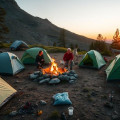
When venturing into the great outdoors for camping and hiking, understanding the significance of fire safety is paramount. A campfire can enhance your experience, providing warmth, light, and a place to cook, but it also poses serious risks if not managed properly. The beauty of nature can quickly turn into a hazardous situation if fire safety is overlooked, leading to devastating wildfires or accidents that could endanger lives. Before you strike a match, it’s essential to grasp the importance of adhering to fire safety guidelines. Not only does this protect the environment, but it also ensures the safety of fellow campers and hikers.
Familiarising yourself with local regulations regarding open fires is crucial, as many areas have specific rules in place to prevent wildfires during dry seasons. Understanding how to build a safe fire pit, what materials are suitable for burning, and how to extinguish a fire completely are all vital components of responsible camping. Moreover, being prepared with camping safety tips can make all the difference in your outdoor adventure. This includes knowing how to create a safe distance between your fire and flammable materials, having water or dirt on hand for emergencies, and being aware of wind conditions that could spread flames unexpectedly. By prioritising fire safety, you not only protect yourself but also contribute to preserving the natural beauty of the landscapes you cherish.
Choosing the Right Campsite for Fire Safety
When planning a camping trip, choosing the right campsite is crucial for ensuring fire safety.The location you select can significantly impact the risk of wildfires and your ability to manage a campfire safely.
Distance from Flammable Materials
- Always look for a campsite that is at least 30 feet away from flammable materials such as dry grass, leaves, and overhanging branches. This distance helps to prevent any accidental spread of fire.
- Avoid setting up camp near areas with dense underbrush or dead trees, as these can easily ignite and pose a serious risk.
Proximity to Water Sources
- Select a site that is close to a water source, such as a river or lake. This not only provides you with water for cooking and cleaning but also serves as an emergency resource for extinguishing fires.
- Ensure that the water source is accessible and that you have the means to transport water back to your campsite if needed.
Wind Considerations
- Pay attention to the wind direction when choosing your campsite. Setting up camp in a sheltered area can help protect your fire from strong winds that could carry embers to flammable materials.
- Avoid camping in valleys or low-lying areas where wind can funnel and increase fire risk.
Always remember to follow local regulations regarding campfires and practice responsible camping habits to ensure a safe experience for everyone.
Understanding Fire Regulations and Restrictions
When planning your camping and hiking adventures, understanding local fire regulations and restrictions is crucial for both safety and legal compliance. Each region may have different rules regarding outdoor fires, which are often influenced by seasonal conditions and environmental factors.Campfire restrictions
can vary significantly depending on the area you are visiting. For instance, during dry seasons or periods of high fire danger, many parks and forests may impose total bans on open flames. It is essential to check with local authorities or park services before your trip to ensure you are aware of any current restrictions.- Know the Rules: Familiarise yourself with the specific outdoor fire laws in the area you plan to camp.
This includes understanding where fires are permitted, what types of fires are allowed (e.g., campfires, charcoal grills), and any specific equipment requirements.
- Permits: Some locations may require a permit for campfires. Ensure you obtain any necessary permits in advance to avoid fines or penalties.
- Fire Pits: Use designated fire pits or rings when available. These are often constructed to contain fires safely and reduce the risk of wildfires.
- Leave No Trace: Always follow the Leave No Trace principles. This includes fully extinguishing your fire before leaving the site and ensuring that no embers remain.
Remember that wildfires can spread rapidly, and even a small spark can lead to devastating consequences. Stay informed, stay safe, and enjoy your outdoor experiences responsibly.
How to Build a Safe Campfire
Building a safe campfire is essential for enjoying your time in the great outdoors while ensuring the safety of both your group and the surrounding environment. Follow these steps to create a secure and effective campfire.- Choose the Right Location: Select a spot that is at least 3 metres away from tents, trees, and other flammable materials. Look for a clear area with bare soil or gravel to minimise fire risk.
- Prepare the Fire Pit: If there isn’t an existing fire ring, create a fire pit by digging a shallow hole about 30 cm wide.
Surround it with rocks to contain the fire and prevent it from spreading.
- Gather Your Materials: Collect dry wood, kindling, and tinder. Use small twigs or dry leaves as tinder, larger sticks for kindling, and logs for the main fire. Ensure all materials are dry to facilitate easy ignition.
- Building the Fire: Start by placing your tinder in the centre of the fire pit. Arrange kindling in a teepee shape around the tinder, leaving space for air to circulate.
Once the kindling is lit, gradually add larger logs to maintain the fire.
Safe Campfire Practices:
- Never leave your campfire unattended.
- Keep water or dirt nearby to extinguish the fire quickly if needed.
- Extinguish the fire completely before leaving your campsite or going to bed. Pour water over the ashes until they are cool to the touch.
Campfire Tips:
- Avoid using flammable liquids like petrol to start your fire, as they can be unpredictable and dangerous.
- If possible, use established fire rings or pits provided by campsites to minimise environmental impact.
- Be mindful of local regulations regarding campfires, especially during dry seasons when fire bans may be in effect.
Fire Safety Equipment You Should Bring
When embarking on a camping and hiking adventure, ensuring fire safety is paramount. Carrying the right fire safety equipment can make a significant difference in preventing accidents and managing emergencies. Here are some essential items you should consider bringing:- Fire Extinguisher: A compact, portable fire extinguisher is crucial for quickly addressing small fires before they escalate.
Look for one rated for Class A, B, and C fires to cover various potential hazards.
- Water Buckets: Having a couple of sturdy buckets filled with water can be invaluable. They can be used to extinguish flames or douse hot embers after your campfire has died down.
- Shovel: A shovel is not just for digging; it can also be used to smother flames by covering them with dirt. This is especially useful if you find yourself without water.
- Fire Blanket: A fire blanket can be a lifesaver in case of clothing catching fire or to wrap around someone in an emergency. It’s lightweight and easy to pack.
- Fire Starter Kit: While this may seem counterintuitive, having a reliable fire starter kit ensures that you can safely start a fire when needed.
Opt for waterproof matches, lighters, and tinder that ignite easily.
Best Practices for Extinguishing a Campfire
When enjoying the great outdoors, it’s essential to understand the importance of properly extinguishing your campfire. Leaving a fire unattended or not fully extinguished can lead to devastating wildfires, which can threaten wildlife, forests, and even human life. Here are some best practices for extinguishing a campfire safely:- Allow the fire to burn down: Before attempting to extinguish your campfire, let it burn down to ash and small embers.
This reduces the amount of fuel available and makes it easier to put out.
- Use water: The most effective method for putting out a fire is to pour water over the ashes. Ensure you use enough water to soak all the embers thoroughly. You should hear hissing sounds as the water hits the hot coals, indicating that they are cooling down.
- Stir the ashes: After pouring water, use a stick or shovel to stir the ashes. This helps expose any remaining hot spots and ensures that all embers are adequately cooled.
- Add more water: After stirring, add more water to the mixture.
Repeat this process until you can no longer see steam or hear hissing sounds. The goal is to ensure that everything is cool to the touch.
- Check for heat: Before leaving your campsite, carefully feel around the area where the fire was. If any part of the fire pit feels warm, continue adding water and stirring until it is completely cool.
Always check local guidelines before starting a fire.By following these steps for putting out a fire safely, you can help protect the environment and ensure that future campers can enjoy the beauty of nature without the risk of wildfires. Remember, a responsible camper leaves no trace behind!
Recognising Fire Hazards While Camping and Hiking
When embarking on a camping or hiking adventure, understanding and recognising fire hazards is crucial for ensuring safety. Outdoor environments can present unique risks that differ significantly from those encountered at home.Common Fire Hazards
- Dry Vegetation: Areas with dry grass, leaves, or brush are highly flammable. Always assess the surrounding environment before starting a fire.
- Wind Conditions: Wind can quickly spread flames and embers.
Be mindful of wind direction and strength when planning your fire.
- Improper Fire Pits: Using a fire pit that is not properly constructed or located too close to tents or trees can lead to dangerous situations.
- Unattended Fires: Leaving a fire unattended, even for a short period, can result in unexpected flare-ups or wildfires.
Identifying Fire Dangers
Before lighting a fire, take the time to evaluate your surroundings:
- Check for Fire Bans: Always verify if there are any local fire restrictions in place. Many areas prohibit open flames during dry seasons.
- Look for Signs of Previous Fires: Areas with signs of past wildfires may indicate a higher risk of future incidents.
- Avoid Fireworks: Fireworks can easily ignite dry foliage and should never be used in camping areas.
What to Do in Case of a Wildfire Emergency
Encountering a wildfire while camping or hiking can be a terrifying experience. It is crucial to know the appropriate wildfire emergency response steps to ensure your safety and that of others around you.Stay Informed
: Before heading out, check local fire conditions and alerts.
Many parks and camping areas provide updates on fire risks. If you are in an area prone to wildfires, always have a plan in place.
Recognise the Signs
: If you see smoke or flames, or if you receive alerts about a wildfire, it’s essential to act quickly. Do not wait for official evacuation orders if you feel threatened.
Evacuation Procedures
- Know Your Routes: Familiarise yourself with the nearest evacuation routes before you set up camp. Mark them on your map or GPS device.
- Pack Essentials: Keep your camping gear packed and ready to go.
Include important documents, medications, and a first-aid kit.
- Stay Calm: In an emergency, panic can lead to poor decisions. Stay calm and follow your evacuation plan.
Communication
- Stay Connected: Ensure your mobile phone is charged and consider carrying a portable charger. Use it to stay updated on the situation through local news or park services.
- Inform Others: If you are with a group, make sure everyone is aware of the situation and knows the evacuation plan.
- Emergency Contacts: Have a list of emergency contacts readily available in case you need assistance.
Frequently Asked Questions About Fire Safety While Camping
When it comes to fire safety while camping, many campers have questions that can help ensure a safe and enjoyable experience.Here are some frequently asked questions:
What should I do before starting a campfire?
Before you light a fire, it’s crucial to check the local regulations regarding campfires. Some areas may have restrictions due to dry conditions. Always choose a designated fire pit if available, and clear the area of any flammable materials such as leaves, twigs, and dry grass.How can I safely extinguish a campfire?
To properly extinguish your campfire, follow these steps:- Let the fire burn down to ashes if possible.
- Pour water over the ashes until they are completely soaked.
- Stir the ashes with a stick to ensure all embers are wet.
- Check for heat by placing your hand above the ashes; if it feels warm, add more water.
What are some common fire safety tips?
Here are some essential fire safety tips to keep in mind while camping:- Keep a bucket of water or sand nearby for emergencies.
- Avoid using accelerants, such as lighter fluid, to start your fire.
- Use only dry wood, as wet wood can produce excessive smoke and be harder to control.
- Be mindful of wind direction, as it can spread sparks and embers.
- Ensure your fire is at least 3 metres away from tents and other flammable materials.
Conclusion: Staying Safe While Enjoying Nature's Beauty
In conclusion, understanding and implementing fire safety practices while camping is essential for ensuring a safe and enjoyable experience in the great outdoors. As we have discussed, the beauty of nature can be marred by the devastating effects of uncontrolled fires, making it crucial for every camper to be well-informed. To recap, here are some key points to remember:- Choose the right location for your campfire, ensuring it is at least 3 metres away from tents, trees, and other flammable materials.
- Always use a designated fire pit or ring when available, as this helps contain the fire and reduces the risk of it spreading.
- Keep your fire manageable; a small fire is easier to control and extinguish than a large one.
- Never leave your fire unattended.
Always have someone monitoring it until it is completely extinguished.
- When it's time to put out your fire, use water to douse the flames thoroughly and stir the ashes to ensure everything is cool to the touch.