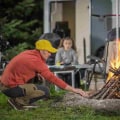
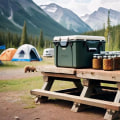
When embarking on a camping adventure, the importance of proper tent setup cannot be overstated. A well-erected tent serves as your sanctuary in the great outdoors, providing not only shelter from the elements but also a sense of security and comfort. Whether you are a seasoned camper or a novice, understanding the fundamentals of tent setup is crucial for enhancing your overall camping and hiking experience.Setting up your tent correctly can significantly impact your comfort level during your stay in nature. A poorly pitched tent may lead to discomfort due to inadequate ventilation, exposure to moisture, or even instability in windy conditions.
By taking the time to learn the tent setup basics, you can ensure that your camping experience is enjoyable and stress-free. This includes selecting the right location, understanding how to secure your tent properly, and knowing how to orient it for optimal airflow and protection.Moreover, a well-set-up tent can enhance safety during your camping trip. It acts as a barrier against insects and wildlife while also providing protection from sudden weather changes. By prioritising proper setup techniques, you not only safeguard your belongings but also create a welcoming environment for relaxation after a day of hiking or exploring.
In the following sections, we will delve deeper into essential tips and tricks that will help you master the art of tent setup, ensuring that your next outdoor adventure is both comfortable and memorable.
Choosing the Right Tent for Your Camping Trip
When planning a camping trip, selecting the right tent is crucial for ensuring a comfortable and enjoyable experience. With various types of camping tents available, understanding their features can help you make an informed decision.Types of Camping Tents
- Dome Tents: These are popular for their ease of setup and stability in windy conditions. Their curved shape allows for good headroom and interior space.
- Backpacking Tents: Lightweight and compact, these tents are designed for hikers who need to carry their gear over long distances. They often sacrifice some space for portability.
- Family Tents: Larger and more spacious, family tents can accommodate multiple people and provide extra room for gear.
They often come with separate sleeping areas.
- Pop-Up Tents: Ideal for quick setups, these tents can be easily unfolded and pitched in minutes. However, they may not be as durable as other types.
- Canvas Tents: Known for their durability and breathability, canvas tents are great for extended camping trips but can be heavier to transport.
How to Choose a Tent
When selecting a tent, consider the following factors:- Capacity: Determine how many people will be using the tent. It's wise to choose a tent that offers a little extra space for comfort.
- Weather Conditions: Assess the climate of your camping location. If you expect rain or strong winds, look for tents with robust waterproofing and wind resistance.
- Weight: If you're hiking to your campsite, opt for lightweight options that are easy to carry without compromising on durability.
- Setup Time: Consider how quickly you need to set up your tent.
If you're arriving late or in adverse weather, a tent that is easy to pitch can save you time and hassle.
Essential Gear for Tent Setup
When it comes to camping and hiking, having the right gear for setting up your tent is crucial for a comfortable and enjoyable experience. Below is a list of essential tools and equipment that every camper should have on hand.- Tent : The most obvious piece of equipment, ensure you choose a tent that suits your needs in terms of size, weight, and weather resistance.
- Groundsheet or Footprint : This protective layer helps to keep the bottom of your tent dry and free from abrasions, prolonging its lifespan.
- Stakes and Guylines : Essential for securing your tent to the ground, these components help maintain stability in windy conditions.
- Hammer or Mallet : A lightweight hammer or mallet is useful for driving stakes into the ground, especially in hard or rocky soil.
- Multi-tool or Knife : A versatile tool can assist with various tasks, from cutting rope to making quick repairs on your gear.
- Camping Chair : While not directly related to tent setup, having a comfortable chair can make the process more enjoyable as you prepare your campsite.
- Headlamp or Lantern : Adequate lighting is essential for setting up your tent after dark. A headlamp allows for hands-free operation.
- Rope or Paracord : Useful for creating additional guy lines or securing items around your campsite.
This ensures you don’t forget any must-have camping gear. Consider including items like a sleeping bag, sleeping pad, cooking equipment, and food supplies on your list. Being well-prepared with the right tools will not only make setting up your tent easier but also enhance your overall camping experience.
Finding the Perfect Campsite
Choosing the right campsite is crucial for a successful camping and hiking experience. A well-selected site can enhance your enjoyment and safety, while a poor choice can lead to discomfort and potential hazards.Here are some essential tips for selecting the perfect campsite:
- Assess the Terrain: Look for flat, level ground that is free from rocks and debris. This will provide a comfortable sleeping area and make it easier to set up your tent.
- Consider Proximity to Water: Being near a water source is vital for cooking, cleaning, and hydration. However, avoid setting up camp too close to rivers or lakes to prevent flooding and insect issues.
- Evaluate Weather Conditions: Check the forecast before you go. If rain is expected, choose a site that offers natural drainage and protection from wind, such as trees or hills.
- Look for Natural Shelter: Trees can provide shade during hot days and protection from wind and rain.
However, be cautious of dead branches (widowmakers) that could fall.
- Check for Wildlife: Avoid areas with signs of animal activity, such as droppings or tracks. This will help reduce the risk of unwanted encounters with wildlife.
Whether you prefer a secluded spot in the woods or a lively campground with fellow campers, taking the time to choose wisely will ensure a memorable adventure in nature.
Step-by-Step Guide to Setting Up Your Tent
Setting up your tent correctly is crucial for a comfortable camping experience. Follow this step-by-step guide to ensure your tent is pitched securely and efficiently.- Choose the Right Location: Look for a flat, dry area free from rocks, branches, and other debris. Avoid low spots where water might collect if it rains.
- Unpack Your Tent: Lay out the tent components on the ground. This typically includes the tent body, rainfly, poles, and stakes.
Familiarise yourself with each part to streamline the setup process.
- Assemble the Poles: If your tent has multiple poles, connect them according to the instructions. Most modern tents use colour-coded poles for easy assembly.
- Insert Poles into Tent: Slide the poles through the designated sleeves or attach them to clips on the tent body. Ensure that the tent is taut but not overstretched.
- Stake Down the Tent: Once the poles are in place, secure the tent by driving stakes into the ground at a 45-degree angle. This will help keep your tent stable in windy conditions.
- Add the Rainfly: If your tent comes with a rainfly, drape it over the top and secure it according to the instructions.
This will provide additional protection against moisture.
- Check Stability: Give your tent a gentle shake to ensure it’s stable. Adjust stakes as necessary to improve tension and stability.
- Dome Tents: These are generally easier to set up due to their simple pole structure. Ensure that all poles are securely connected before inserting them into the tent.
- Backpacking Tents: Lightweight and compact, these tents often require a bit more finesse. Practice setting them up at home to become familiar with their unique features.
- Family Tents: Larger tents may have multiple rooms or compartments.
Make sure to follow specific instructions for each section to avoid confusion during setup.
Common Mistakes to Avoid When Setting Up a Tent
Setting up a tent may seem straightforward, but many campers fall into common traps that can lead to discomfort or even disaster. Here are some frequent tent setup mistakes to avoid:- Ignoring the Terrain: One of the biggest errors is failing to assess the ground where you plan to pitch your tent. Look for a flat, dry area free from rocks, roots, and debris. Setting up on uneven ground can lead to a restless night.
- Not Checking the Weather: Always check the weather forecast before heading out.
Setting up a tent in a windy area without proper anchoring can result in damage or even loss of your tent.
- Forgetting to Stake Down: Many campers neglect to stake down their tents properly. This is crucial for stability, especially in windy conditions. Use all available guylines and stakes to secure your tent firmly.
- Overlooking Ventilation: A common mistake is not considering ventilation. Ensure that your tent has adequate airflow to prevent condensation build-up inside, which can make for an uncomfortable sleeping environment.
- Rushing the Setup: In the excitement of camping, some may rush through the setup process.
Take your time to read the instructions and ensure everything is assembled correctly. A hasty setup can lead to structural issues later on.
Maintaining Your Tent During Your Camping Trip
Maintaining your tent during your camping trip is crucial for ensuring its longevity and performance. Proper tent care not only enhances your comfort but also protects your investment in outdoor gear.Here are some essential tips to keep your tent in good condition while enjoying the great outdoors.
- Choose the Right Spot: Always set up your tent on a flat, dry surface, away from sharp rocks and branches. This will help prevent damage to the tent fabric and floor.
- Use a Groundsheet: Consider using a groundsheet or footprint beneath your tent. This extra layer provides additional protection against abrasions and moisture.
- Keep It Clean: Regularly shake out dirt and debris from inside the tent. Avoid bringing in food or drinks that could lead to stains or attract pests.
- Ventilation: Ensure proper ventilation by opening vents and doors when possible.
This helps reduce condensation build-up, which can lead to mildew and unpleasant odours.
- Avoid Excessive Weight: Be mindful of how much gear you bring inside the tent. Overloading it can strain the seams and fabric, leading to potential tears.
- Check for Damage: Regularly inspect your tent for any signs of wear or damage, such as frayed seams or holes. Addressing these issues promptly can prevent further deterioration.
Remember, a well-cared-for tent not only enhances your outdoor adventures but also ensures that you are prepared for whatever nature throws your way.
FAQs About Tent Setup for Camping
Setting up a tent can seem daunting, especially for first-time campers. Here are some frequently asked questions that can help clarify the process and ensure a smooth camping experience.What is the best surface for pitching a tent?
When selecting a location, look for a flat, dry area free from rocks and debris. Avoid low spots where water might collect in case of rain. Grass or soft earth is ideal, as it provides better insulation and comfort.How do I know if my tent is pitched correctly?
A well-pitched tent should be taut without any sagging fabric.Ensure that all corners are staked down securely and that the rainfly is properly attached to prevent water from entering. Check for any gaps between the ground and the tent floor.
Can I set up my tent in the rain?
Yes, but it requires some extra care. If possible, try to find a sheltered area to minimise exposure to rain while setting up. Use a groundsheet to keep the interior dry and work quickly to avoid getting everything soaked.What should I do if my tent has a broken pole?
If you discover a broken pole, assess the damage first.Many tents come with repair kits that include pole splints or duct tape for temporary fixes. If you cannot repair it on-site, consider using a sturdy branch or other materials to support the structure until you can make permanent repairs.
How can I prevent condensation inside my tent?
- Ventilation: Ensure your tent has adequate ventilation by opening vents or windows.
- Breathable Fabrics: Use tents made from breathable materials that allow moisture to escape.
- Avoid Cooking Inside: Never cook inside your tent as this increases humidity levels.
Conclusion: Enjoying Your Camping Experience with a Well-Set Tent
In conclusion, setting up your tent properly is crucial for a successful and enjoyable camping experience. A well-erected tent not only provides shelter from the elements but also enhances your overall comfort while camping and hiking. By following the steps outlined in this article, you can ensure that your tent is secure, stable, and ready to withstand various weather conditions.Remember to choose a suitable location that is flat, dry, and away from potential hazards such as falling branches or flooding.Properly staking your tent and using guylines will help maintain its structure against wind and rain. Additionally, taking the time to check for any damage before your trip can save you from unexpected issues.Here are some key takeaways to keep in mind:
- Choose the right site: Look for level ground and avoid areas prone to water accumulation.
- Use a footprint: Protect the bottom of your tent from sharp objects and moisture.
- Follow the manufacturer's instructions: Each tent has specific guidelines that can help you set it up correctly.
- Secure your tent: Use stakes and guylines to ensure stability in windy conditions.