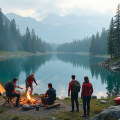
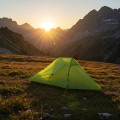
When embarking on outdoor adventures such as camping and hiking, understanding the risks associated with sun exposure is crucial for ensuring a safe and enjoyable experience. The great outdoors, while invigorating, exposes individuals to harmful UV radiation, which can lead to a range of health issues, from sunburn to more severe conditions like skin cancer. The intensity of UV rays can be particularly deceptive; even on cloudy days, up to 80% of these rays can penetrate the clouds, making it essential to remain vigilant about sun protection. Moreover, the reflective surfaces found in nature, such as water, sand, and snow, can amplify UV exposure significantly. This means that during activities like hiking near lakes or camping on sandy beaches, the risk of sun damage increases.
Understanding these risks is not just about avoiding discomfort; it’s about safeguarding your long-term health. Prolonged exposure to UV radiation can also lead to premature aging of the skin and eye damage, including cataracts. As you prepare for your next outdoor excursion, consider the importance of implementing effective strategies to protect yourself from the sun. By being proactive and informed about the dangers of sun exposure during camping and hiking, you can enjoy your time in nature while minimising health risks. In the following sections, we will explore practical ways to shield yourself from harmful UV rays, ensuring that your adventures remain both safe and enjoyable.
Choosing the Right Clothing for Sun Protection
When it comes to protecting yourself from sun exposure while enjoying the great outdoors, choosing the right clothing is essential.The right fabrics and styles can significantly reduce your risk of sunburn and long-term skin damage during your camping and hiking adventures.
Sun Protective Clothing
Look for clothing specifically designed for UV protection. These garments often feature a UPF (Ultraviolet Protection Factor) rating, which indicates how effectively the fabric blocks UV rays. A UPF rating of 30 or higher is recommended for optimal protection. Many outdoor brands offer shirts, trousers, and hats made from these materials.Best Fabrics for Hiking
- Synthetic Fabrics: Materials like polyester and nylon are excellent choices as they are lightweight, quick-drying, and often treated with UV-blocking agents.
- Cotton: While comfortable, cotton absorbs moisture and can become heavy when wet, making it less ideal for prolonged exposure to the sun.
- Merino Wool: Surprisingly effective, merino wool offers natural UV protection and is breathable, making it suitable for both warm and cool conditions.
Styles to Consider
Selecting the right style of clothing can also enhance your sun protection.Here are some tips:
- Long Sleeves: Opt for long-sleeved shirts to cover your arms. Look for styles with ventilation features to keep you cool.
- Pants over Shorts: Lightweight trousers provide better coverage than shorts. Consider convertible pants that can be zipped off into shorts if needed.
- Wide-Brimmed Hats: A hat with a wide brim can shield your face, neck, and ears from direct sunlight.
The Importance of Sunscreen: How to Choose and Apply It
When it comes to camping and hiking, protecting your skin from harmful UV rays is crucial.Sunscreen plays a vital role in safeguarding your skin, preventing sunburn, and reducing the risk of skin cancer. However, not all sunscreens are created equal, and choosing the right one can make a significant difference.
Choosing the Right Sunscreen
- SPF Rating: Look for a broad-spectrum sunscreen with an SPF of at least 30. This ensures protection against both UVA and UVB rays.
- Water Resistance: If you plan on sweating or swimming, opt for a water-resistant formula that lasts for at least 40 minutes.
- Ingredients: Consider mineral-based sunscreens containing zinc oxide or titanium dioxide, which are less likely to irritate sensitive skin and are often preferred for outdoor activities.
How to Apply Sunscreen Effectively
- Apply Generously: Use about a shot glass full of sunscreen for your entire body. Don’t forget areas like your ears, neck, and the tops of your feet.
- Timing is Key: Apply sunscreen at least 15-30 minutes before heading outdoors to allow it to absorb into the skin.
- Reapply Regularly: Reapply every two hours, or more frequently if you’re sweating or swimming.
This is essential for maintaining protection throughout your hiking or camping adventure.
Sunscreen Tips for Campers
- Keep it Accessible: Store your sunscreen in an easily accessible spot in your backpack so you can reapply as needed.
- Use Lip Balm with SPF: Don’t forget to protect your lips; use a lip balm that contains SPF to prevent chapping and sunburn.
- Avoid Expired Products: Check the expiration date on your sunscreen. Expired products may not provide adequate protection.
Utilising Shade: Finding Natural Protection in the Outdoors
When embarking on outdoor adventures such as camping and hiking, finding ways to protect yourself from the sun is crucial. One effective strategy is to utilise natural shade, which can significantly reduce your sun exposure and help you stay cool.Finding Shade While Hiking
- Look for Tree Cover: As you hike, keep an eye out for areas with dense tree canopies. These not only provide shade but also create a cooler microclimate.
- Seek Out Rock Formations: Large rocks or cliffs can offer excellent shade, especially during midday when the sun is at its peak.
Plan your breaks near these natural structures.
- Use Terrain to Your Advantage: If you’re hiking in a hilly area, consider taking breaks on the shaded side of hills or slopes where the sun’s rays are blocked.
Natural Shade Camping Tips
- Choose Your Campsite Wisely: When setting up camp, look for locations that are naturally shaded by trees or large boulders. This will help keep your tent cooler and provide a comfortable resting area.
- Create Your Own Shade: If natural shade is limited, consider bringing a portable sunshade or tarp. Setting it up can create a comfortable space to relax during the hottest parts of the day.
- Avoid Open Areas: Camping in open fields may expose you to direct sunlight for extended periods. Opt for spots that offer some form of cover.
Sun Protection Strategies
In addition to finding shade, it’s essential to incorporate other sun protection strategies into your outdoor activities.
Regularly applying sunscreen with a high SPF, wearing protective clothing, and using wide-brimmed hats can further shield you from harmful UV rays. Remember to take frequent breaks in shaded areas to hydrate and cool down, ensuring a safe and enjoyable experience while camping and hiking.
Timing Your Outdoor Activities: When to Avoid Direct Sunlight
When planning your camping and hiking adventures, timing is crucial to minimise your exposure to harmful UV rays. The sun's intensity varies throughout the day, and understanding these patterns can help you enjoy your outdoor activities while protecting your skin.Best Times to Hike
The ideal times for hiking are typically early in the morning or late in the afternoon. During these hours, the sun is lower in the sky, resulting in less direct sunlight and reduced UV radiation.Aim to start your hike at dawn, when temperatures are cooler and the trails are less crowded. Alternatively, consider setting out a few hours before sunset, allowing you to enjoy the beautiful golden hour while also avoiding peak sun exposure.
Avoiding Peak Sun Hours
Generally, the sun's rays are strongest between 10 a.m. and 4 p.m. During this time, it’s advisable to seek shade whenever possible.If you must be outdoors during these hours, take extra precautions:
- Wear protective clothing: Long sleeves and wide-brimmed hats can shield your skin from direct sunlight.
- Use sunscreen: Apply a broad-spectrum sunscreen with at least SPF 30, reapplying every two hours or after swimming or sweating.
- Stay hydrated: Drink plenty of water to keep your body cool and reduce the risk of heat-related illnesses.
Using Accessories for Extra Protection Against the Sun
When it comes to camping and hiking, protecting yourself from the sun is crucial, and using the right accessories can make a significant difference. Here are some essential items to consider:Sun Hats for Hiking
A good sun hat is one of the most effective ways to shield your face and neck from harmful UV rays. Look for hats that offer:- Wide Brims: A wide-brimmed hat provides better coverage, protecting not just your face but also your ears and neck.
- UPF Fabric: Choose hats made from fabrics with a high Ultraviolet Protection Factor (UPF) rating for added safety.
- Breathability: Opt for lightweight, breathable materials to keep you cool during your outdoor adventures.
Sunglasses with UV Protection
Your eyes are particularly vulnerable to sun damage, making a good pair of sunglasses essential.When selecting sunglasses for camping and hiking, consider the following:
- 100% UV Protection: Ensure that your sunglasses block 100% of UVA and UVB rays.
- Polarised Lenses: Polarised lenses reduce glare from reflective surfaces, enhancing visibility and comfort.
- Wraparound Styles: These styles provide additional coverage, preventing sunlight from entering from the sides.
Outdoor Gear for Sun Safety
In addition to hats and sunglasses, there are various pieces of outdoor gear designed specifically for sun safety:- Long-Sleeved Shirts: Lightweight, long-sleeved shirts made from breathable fabrics can protect your arms while keeping you cool.
- Pants with UPF Protection: Consider wearing pants that offer UPF protection to shield your legs from direct sunlight.
- Sunscreen Clothing: Some clothing items are treated with sunscreen chemicals that provide an extra layer of protection.
Staying Hydrated: The Role of Hydration in Sun Protection
When engaging in camping and hiking, staying hydrated is crucial not only for your overall health but also for protecting yourself from the harmful effects of sun exposure. Dehydration can exacerbate the impact of heat and sunlight, leading to increased fatigue, heat exhaustion, and even heat stroke. Therefore, understanding how to maintain proper hydration levels is essential for outdoor enthusiasts.Hydration Tips for Hikers
- Drink Water Regularly: Aim to drink water consistently throughout your hike rather than waiting until you feel thirsty.
A good rule of thumb is to consume about half a litre of water every hour, adjusting based on the intensity of your activity and the temperature.
- Monitor Your Urine Colour: A simple way to gauge your hydration level is by checking the colour of your urine. Pale yellow indicates proper hydration, while dark yellow suggests you need to drink more fluids.
- Incorporate Electrolytes: When hiking in hot conditions, consider adding electrolyte tablets or drinks to your water. This helps replenish essential minerals lost through sweat and can improve your endurance.
Water Intake While Camping
While camping, ensure you have access to clean drinking water. If you're unsure about the water quality from natural sources, always purify it using filters or boiling methods.
Carrying a portable water filter can be a game-changer, allowing you to refill your supplies safely during hikes.
Effects of Dehydration in Sun Exposure
Dehydration can significantly impair your body's ability to regulate temperature, making you more susceptible to sunburn and heat-related illnesses. When dehydrated, your skin loses moisture, which can lead to increased sensitivity to UV rays. This not only heightens the risk of sunburn but can also accelerate skin damage over time.In summary, maintaining adequate hydration while camping and hiking is vital for both performance and protection against sun exposure. By following these hydration tips and being mindful of your water intake, you can enjoy your outdoor adventures while minimising health risks associated with dehydration and sun exposure.
FAQs About Sun Protection While Camping and Hiking
When it comes to sun protection while enjoying the great outdoors, particularly during camping and hiking, many people have questions about the best practices to ensure their safety.Here are some frequently asked questions:
What is the best sunscreen to use while camping and hiking?
Look for a broad-spectrum sunscreen with an SPF of at least 30. It should be water-resistant and suitable for outdoor activities. Remember to apply it generously on all exposed skin, and reapply every two hours, or more frequently if you are sweating or swimming.How can I protect my eyes from sun exposure?
Wearing sunglasses that block 100% of UVA and UVB rays is essential. Choose sunglasses that wrap around your face for added protection.A wide-brimmed hat can also help shield your eyes from direct sunlight.
Are there specific clothing recommendations for sun protection?
Opt for lightweight, long-sleeved shirts and long trousers made from breathable fabrics. Look for clothing with a UPF rating, which indicates its effectiveness in blocking UV rays. Darker colours tend to offer better protection than lighter shades.What time of day should I avoid hiking to reduce sun exposure?
The sun's rays are typically strongest between 10 a.m. If possible, plan your hikes for early morning or late afternoon to minimise exposure during peak hours.How can I tell if I am getting too much sun?
Be aware of signs such as skin redness, warmth, or discomfort.If you start feeling dizzy or nauseous, it may indicate heat exhaustion or sun overexposure. Always listen to your body and take breaks in the shade when needed.By addressing these common questions, you can better prepare yourself for safe and enjoyable camping and hiking experiences while effectively protecting yourself from harmful sun exposure.
Conclusion: Key Takeaways for Safe Outdoor Adventures
In conclusion, protecting yourself from sun exposure while enjoying camping and hiking is essential for a safe and enjoyable outdoor experience. By implementing the strategies discussed, you can significantly reduce your risk of sunburn and long-term skin damage. Here are the key takeaways to remember:- Plan Your Activities Wisely: Aim to hike or set up camp during the early morning or late afternoon when the sun's rays are less intense.
- Wear Appropriate Clothing: Opt for lightweight, long-sleeved shirts and trousers made from UV-protective fabrics. A wide-brimmed hat can also provide additional shade for your face and neck.
- Use Sunscreen Effectively: Apply a broad-spectrum sunscreen with at least SPF 30 generously on all exposed skin, and reapply every two hours, especially after swimming or sweating.
- Seek Shade: Whenever possible, take breaks in shaded areas to give your skin a rest from direct sunlight.
- Stay Hydrated: Drinking plenty of water not only keeps you hydrated but also helps your skin maintain its health and resilience against sun damage.
Remember, a little preparation goes a long way in ensuring that your camping and hiking adventures are both fun and safe.