When embarking on outdoor adventures such as camping and hiking, understanding the importance of safety is paramount. The allure of nature often draws individuals into its embrace, offering breathtaking views and a sense of freedom. However, beneath this beauty lies a myriad of potential risks that can turn a delightful excursion into a perilous situation. From unpredictable weather changes to wildlife encounters, it is crucial to never ignore safety protocols, as being unprepared can lead to serious consequences. Safety measures are not merely recommendations; they are essential practices that can safeguard your well-being and enhance your overall experience. , understanding the importance of safety is paramount. The allure of nature often draws individuals into its embrace, offering breathtaking views and a sense of freedom. However, beneath this beauty lies a myriad of potential risks that can turn a delightful excursion into a perilous situation. From unpredictable weather changes to wildlife encounters, it is crucial to never ignore safety protocols, as being unprepared can lead to serious consequences. Safety measures are not merely recommendations; they are essential practices that can safeguard your well-being and enhance your overall experience.
Whether you are a seasoned adventurer or a novice explorer, recognising the significance of camping safety and hiking safety is crucial. Proper planning, including understanding the terrain, checking weather forecasts, and packing appropriate gear, can make all the difference in ensuring a safe journey. Moreover, awareness of your surroundings and the potential hazards they may present is vital. This includes knowing how to navigate trails, identifying poisonous plants, and understanding the behaviour of local wildlife. By prioritising safety, you not only protect yourself but also contribute to the preservation of the natural environment for future generations to enjoy.
As we delve deeper into specific precautions and strategies, remember that a safe adventure is a rewarding adventure.
Preparing for Your Trip: Essential Gear and Supplies
When embarking on a camping and hiking adventure, the right gear and supplies are crucial for ensuring safety and enjoyment. Proper preparation can significantly reduce the risk of accidents and enhance your overall experience in the great outdoors.Essential Camping Gear
- Tent: Choose a tent that is suitable for the weather conditions and easy to set up. Ensure it is waterproof and has adequate ventilation.
- Sleeping Bag: Select a sleeping bag rated for the temperatures you expect to encounter. A good sleeping bag will keep you warm and comfortable during the night.
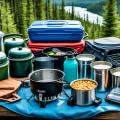
- Cooking Equipment: Bring a portable stove, fuel, and cooking utensils.
A reliable cooking setup allows you to prepare meals safely, reducing the risk of foodborne illnesses.
- First Aid Kit: Always carry a well-stocked first aid kit. Include items like bandages, antiseptic wipes, pain relievers, and any personal medications.
Hiking Supplies
- Footwear: Invest in sturdy, comfortable hiking boots that provide good ankle support and traction. Proper footwear can prevent slips and injuries on uneven terrain.
- Navigation Tools: Carry a map, compass, or GPS device to help you stay on track. Familiarise yourself with the area before your trip to avoid getting lost.
- Water Supply: Hydration is key.
Bring enough water for your hike or a reliable water filtration system if you plan to source water from natural bodies.
- Clothing Layers: Dress in layers to adapt to changing weather conditions. Include moisture-wicking base layers, insulating mid-layers, and waterproof outer layers.
Understanding Weather Conditions and Their Impact
When planning your camping and hiking adventures, understanding the weather conditions is crucial for ensuring your safety and enjoyment. Weather can change rapidly in outdoor environments, so being prepared is essential.Assessing Weather Conditions
- Before heading out, check reliable weather forecasts for the area you plan to visit.
Look for updates on temperature, precipitation, wind speed, and any severe weather warnings.
- Utilise weather apps or websites that provide real-time updates, as conditions can shift unexpectedly.
- Consider the elevation of your hiking route; temperatures can drop significantly at higher altitudes.
Staying Safe in Various Weather Scenarios
- Rain: If rain is forecasted, ensure you have waterproof gear, including a reliable rain jacket and waterproof footwear. Avoid hiking in areas prone to flash floods.
- Heat: On hot days, start your hike early to avoid the midday sun. Carry plenty of water and wear light-coloured, breathable clothing to stay cool.
- Cold: In colder conditions, layer your clothing to maintain warmth. Be aware of the signs of hypothermia and frostbite, and know when to turn back if conditions worsen.
- Wind: High winds can make hiking dangerous, especially in exposed areas.
Seek shelter if winds become too strong and consider postponing your trip if severe gusts are expected.
Monitoring Conditions During Your Trip
- Keep an eye on the sky for sudden changes; dark clouds or a drop in temperature can indicate an approaching storm.
- If you hear thunder or see lightning, seek shelter immediately. Avoid open areas and tall trees.
- Always have a backup plan in case weather conditions force you to alter your route or cut your trip short.
Navigating Trails Safely: Tips for Hiking
When it comes to hiking, navigating trails safely is crucial for an enjoyable experience. Here are some essential tips to ensure you stay on the right path.Understanding Trail Markers
Trail markers are your best friends when hiking. They provide vital information about the route and help prevent you from getting lost.Familiarise yourself with the different types of markers:
- Blazes: These are painted symbols on trees or rocks indicating the trail's direction.
- Signposts: Often found at intersections, these provide information about the trail name and distance to various points.
- Maps: Always carry a physical map of the area, as it can be invaluable if your GPS fails.
Using GPS Devices
While traditional navigation methods are essential, modern technology can enhance your hiking experience. Here are some tips for using GPS devices effectively:- Download maps: Before heading out, download offline maps of your hiking area to avoid losing signal.
- Track your route: Use GPS tracking features to monitor your progress and ensure you stay on course.
- Battery management: Carry a portable charger to keep your device powered throughout the hike.
Map Reading Skills
A good hiker should be proficient in reading maps. Here are some key skills to develop:- Understanding scale: Know how to interpret the scale on a map to gauge distances accurately.
- Identifying topographical features: Learn to recognise hills, valleys, and water bodies, which can help you navigate more effectively.
- Orienting your map: Always orient your map to match the direction you are facing; this will help you make informed decisions about your route.
Wildlife Encounters: How to Stay Safe
When venturing into the great outdoors for camping and hiking, one of the most critical aspects to consider is how to stay safe from wildlife encounters.While many animals are harmless, some can pose significant risks if approached or startled. Here are essential strategies to ensure your safety.
Understanding Wildlife Behaviour
Before heading out, it’s vital to educate yourself about the local wildlife. Understanding their behaviour can help you avoid dangerous situations. For instance, bears are often attracted to food sources, so knowing how to store food properly is crucial.Bear Safety Tips
- Store Food Properly: Use bear-proof containers or hang food at least 10 feet off the ground and 4 feet away from tree trunks.
- Make Noise: When hiking in bear country, make noise to avoid surprising a bear.
Talking, singing, or using bear bells can alert them to your presence.
- Know What to Do: If you encounter a bear, stay calm. Do not run; instead, back away slowly while keeping your eyes on the bear.
Animal Encounters While Hiking
Aside from bears, other wildlife such as snakes, moose, and even insects can pose threats. Here are some tips for dealing with these encounters:- Stay on Trails: Stick to marked paths to reduce the likelihood of unexpected animal encounters.
- Avoid Feeding Wildlife: Feeding animals can lead them to associate humans with food, increasing the risk of aggressive behaviour.
- Be Aware of Your Surroundings: Keep an eye out for signs of wildlife activity, such as tracks or droppings, and be cautious in areas where visibility is limited.
First Aid Essentials: What to Pack and How to Use It
When embarking on outdoor adventures such as camping and hiking, being prepared for medical emergencies is crucial.A well-stocked first aid kit can make a significant difference in how effectively you respond to injuries or illnesses. Here are essential items to include in your first aid kit:
- Adhesive bandages in various sizes for minor cuts and scrapes.
- Gauze pads and adhesive tape to cover larger wounds.
- Antiseptic wipes or solution to clean wounds and prevent infection.
- Antibiotic ointment for application on cuts after cleaning.
- Pain relief medication, such as ibuprofen or paracetamol, for headaches or muscle pain.
- Elastic bandage for sprains or strains.
- Scissors and tweezers for cutting tape or removing splinters.
- Instant cold packs to reduce swelling from injuries.
- Emergency blanket to retain body heat in case of shock or hypothermia.
- First aid manual or guide for quick reference on how to treat common injuries.
- Assess the situation: Before administering first aid, evaluate the injury and ensure the area is safe.
- Stay calm: Keeping a clear head will help you make better decisions and reassure those injured.
- Treat the most serious injuries first: Prioritise life-threatening conditions such as severe bleeding or unconsciousness.
- If unsure, seek help: If an injury is beyond your capability, contact emergency services if possible.
Additionally, consider taking a first aid course tailored for outdoor activities; this knowledge can empower you to handle various situations confidently while enjoying your camping and hiking experiences.
Staying Hydrated and Nourished: Health Precautions
When embarking on outdoor adventures such as camping and hiking, maintaining proper hydration and nutrition is crucial for your overall health and safety. Dehydration can lead to fatigue, dizziness, and even more severe health issues, so it’s essential to be proactive about your fluid intake.Hydration Tips for Camping
- Drink Water Regularly: Aim to drink at least 2-3 litres of water per day, adjusting based on activity level and weather conditions.
- Use a Water Purification Method: Always purify water from natural sources before drinking. Options include water filters, purification tablets, or boiling.
- Carry a Hydration Pack: A hydration pack allows for easy access to water while on the move, encouraging you to drink more frequently.
- Avoid Caffeinated Beverages: Caffeine can lead to increased dehydration; opt for water or electrolyte drinks instead.
Food Safety While Hiking
Proper food storage is vital to prevent spoilage and avoid attracting wildlife. Here are some tips:- Pack Non-Perishable Foods: Choose items like nuts, dried fruits, energy bars, and jerky that do not require refrigeration.
- Store Food Securely: Use bear-proof containers or hang food in a tree at least 4 feet off the ground and 10 feet away from the trunk to keep it safe from animals.
- Keep Raw and Cooked Foods Separate: If cooking outdoors, ensure that raw meats are stored separately from other foods to prevent cross-contamination.
Nutrition Outdoors
A balanced diet is essential for maintaining energy levels during your outdoor activities.Consider the following:
- Include Carbohydrates: Foods like whole grain bread, pasta, and rice provide the necessary energy for hiking.
- Add Protein Sources: Incorporate nuts, seeds, or protein bars to help with muscle recovery after strenuous hikes.
- Don’t Forget Fruits and Vegetables: Fresh produce can be bulky but provides essential vitamins and minerals; consider dehydrated options for convenience.
Emergency Preparedness: Planning for the Unexpected
When venturing into the great outdoors for camping and hiking, it is crucial to be prepared for emergencies. Having a solid emergency plan can make all the difference in ensuring your safety and well-being.Create an Emergency Plan
Before you set off, take the time to create a comprehensive emergency plan. This should include:- Designated Meeting Points: Choose specific locations where your group can regroup if separated.
- Communication Methods: Ensure everyone knows how to use their mobile devices or radios, and consider carrying a satellite phone if you’ll be in remote areas.
- Emergency Contacts: Compile a list of important contacts, including local emergency services and park rangers.
Know What to Do in an Emergency
In the event of an emergency while hiking or camping, knowing how to react is vital. Here are some essential tips:- Stay Calm: Panic can cloud your judgment.
Take a moment to assess the situation.
- Assess Injuries: If someone is injured, determine the severity and provide first aid as necessary. Always carry a well-stocked first aid kit.
- Signal for Help: Use whistles, mirrors, or bright clothing to attract attention if you need assistance.
Outdoor Emergency Tips
To further enhance your preparedness, consider these outdoor emergency tips:- Familiarise Yourself with the Area: Study maps and understand the terrain before you go. Knowing your surroundings can help you navigate back to safety.
- Weather Awareness: Keep an eye on weather forecasts and be prepared for sudden changes. Carry appropriate gear for rain, cold, or heat.
- Campsite Safety: Choose a safe campsite away from hazards like falling branches or flooding areas.
Remember, being prepared is not just about having the right gear; it’s about having the right mindset and knowledge to handle unexpected situations effectively.
FAQs About Camping and Hiking Safety Precautions
When it comes to camping and hiking, safety is paramount. Here are some frequently asked questions that can help you prepare for a safe outdoor experience.What should I pack for safety while camping?
Essential items for safety during your camping trip include:- First aid kit: Ensure it is stocked with bandages, antiseptic wipes, pain relievers, and any personal medications.
- Navigation tools: A map and compass or a GPS device can help you stay on track.
- Emergency whistle: This can be crucial for signalling for help if you get lost.
- Multi-tool or knife: Useful for various tasks, from food preparation to emergency repairs.
- Fire-starting supplies: Waterproof matches or a lighter can be lifesavers in adverse weather conditions.
How can I stay safe while hiking?
To ensure your safety while hiking, consider the following tips:- Stay on marked trails: This reduces the risk of getting lost and protects the surrounding environment.
- Inform someone of your plans: Always let a friend or family member know your route and expected return time.
- Check the weather forecast: Be prepared for sudden changes in weather conditions that could affect your hike.
- Wear appropriate footwear: Sturdy hiking boots provide support and reduce the risk of injury.
- Stay hydrated: Carry enough water and drink regularly to avoid dehydration.
What are common concerns about outdoor safety?
Many outdoor enthusiasts worry about:- Wildlife encounters: Learn how to store food properly and what to do if you encounter animals like bears or snakes.
- Weather hazards: Be aware of signs of severe weather, such as sudden storms or extreme temperatures, and know how to seek shelter.
- Injury risks: Familiarise yourself with basic first aid techniques to handle minor injuries on the spot.
- Navigational errors: Use technology wisely but also carry traditional navigation tools as backups.
Conclusion: Key Takeaways for Safe Outdoor Adventures
In conclusion, ensuring safety while engaging in camping and hiking is paramount for a rewarding outdoor experience. By adhering to the precautions discussed, adventurers can significantly reduce risks and enhance their enjoyment of nature.Key Takeaways:- Preparation is essential: Always plan your trip meticulously. This includes checking weather conditions, understanding the terrain, and informing someone about your itinerary.
- Proper gear: Invest in quality equipment tailored for camping and hiking.
This includes appropriate clothing, sturdy footwear, and essential tools like maps, compasses, and first aid kits.
- Stay aware of your surroundings: Being mindful of wildlife, weather changes, and trail conditions can prevent accidents. Always be alert and ready to adapt to unexpected situations.
- Practice Leave No Trace principles: Respecting nature not only preserves the environment but also ensures that future generations can enjoy these beautiful landscapes. Always clean up after yourself and follow local regulations.
- Know your limits: Whether it’s your physical endurance or your knowledge of the area, understanding your capabilities is crucial. Don’t push yourself beyond what you can handle.
Remember, the essence of camping and hiking lies in connecting with nature while prioritising your safety and well-being.