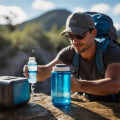
When embarking on a camping and hiking adventure, the significance of comfort cannot be overstated. Many campers underestimate the impact that a good night's sleep has on their overall experience in the great outdoors. After a long day of hiking, exploring, or simply enjoying nature, returning to a comfortable sleeping environment can make all the difference. It not only enhances your mood but also prepares you for the activities that lie ahead. Sleeping in a tent presents unique challenges that can affect your comfort level.
Factors such as temperature fluctuations, uneven ground, and inadequate bedding can lead to restless nights and fatigue. This is why understanding the importance of comfort while camping is essential. A well-rested camper is more likely to enjoy their surroundings, engage in activities, and create lasting memories with friends and family. To ensure a pleasant camping experience, it’s crucial to consider various camping comfort tips. From selecting the right sleeping gear to choosing an appropriate campsite, every detail contributes to your overall comfort.
By prioritising these aspects, you can transform your tent into a sanctuary that allows you to recharge and fully embrace the beauty of nature.
Choosing the Right Tent for Your Needs
When it comes to camping and hiking, the choice of tent can significantly influence your overall comfort and sleep quality. Selecting the right tent involves considering several factors, including size, ventilation, and insulation.Size Matters
The size of your tent is crucial for ensuring a comfortable sleeping environment. A tent that is too small can feel cramped, making it difficult to move around or find a comfortable sleeping position. On the other hand, a tent that is excessively large may not retain heat effectively, leading to a chilly night.As a general rule, choose a tent that accommodates at least one more person than you expect to sleep in it. This extra space allows for gear storage and provides room to stretch out.
Ventilation for Comfort
Proper ventilation is essential for maintaining a comfortable temperature inside your tent. Look for tents with multiple mesh panels and adjustable vents. These features allow for airflow while keeping insects at bay.Good ventilation helps prevent condensation build-up, which can lead to dampness and discomfort during the night.
Insulation Features
Insulation is another critical aspect to consider when choosing a tent. If you plan on camping in colder conditions, opt for a tent designed with thermal materials or an additional rainfly that provides extra insulation. Conversely, if you’re camping in warmer climates, ensure your tent has reflective materials or light-coloured fabric to keep the interior cool.- Best Tents for Camping: Research brands known for their durability and comfort features.
- Tent Size and Comfort: Always check the dimensions and capacity ratings before purchasing.
- Tent Features for Comfort: Look for additional features like built-in storage pockets and gear lofts.
Selecting the Perfect Sleeping Gear
When it comes to camping and hiking, selecting the right sleeping gear is crucial for a restful night under the stars.The right equipment can significantly enhance your comfort level, ensuring you wake up refreshed and ready for your outdoor adventures.
Choosing the Right Sleeping Bag
Your choice of sleeping bag is fundamental to your comfort while camping. Look for a bag that suits the climate you’ll be camping in; for colder conditions, opt for a three-season sleeping bag that provides adequate insulation. Conversely, if you're camping in warmer weather, a lightweight, summer sleeping bag will keep you cool. Additionally, consider the shape of the sleeping bag—mummy bags are great for warmth, while rectangular bags offer more space to move around.Sleeping Pads vs Air Mattresses
Another important decision is whether to use a sleeping pad or an air mattress.Sleeping pads are typically lighter and more compact, making them ideal for backpacking trips. They provide insulation from the cold ground and can be quite comfortable if you choose a thicker model. On the other hand, air mattresses offer a plush sleeping experience and are perfect for car camping where weight isn’t an issue. However, they can be prone to punctures and may require a pump to inflate.
The Best Camping Pillows
A good pillow can make all the difference in achieving a good night's sleep.While some campers opt for inflatable pillows or compressible foam options, others prefer using their clothes stuffed into a stuff sack as a makeshift pillow. If you’re looking for convenience and comfort, consider investing in a camping pillow designed specifically for outdoor use; these often come with features like adjustable height and built-in neck support.In summary, investing time in selecting the right sleeping gear—be it sleeping bags, pads, or pillows—can greatly enhance your camping experience. Prioritise comfort and suitability to ensure that your nights spent in the tent are as restful as possible.
Creating a Comfortable Sleeping Environment
Creating a comfortable sleeping environment in your tent is essential for a restful night under the stars. Here are some effective tips to enhance your camping experience.How to Set Up a Tent for Comfort
Begin by choosing a level and dry spot to pitch your tent.Avoid areas that collect water or are too close to the edge of a slope. Once you’ve found the perfect location, ensure that the tent is securely staked down to withstand wind and prevent any unwanted movement during the night.
Tent Layout Tips
- Organise Your Gear: Keep your gear organised by designating specific areas for your belongings. Use stuff sacks or storage pockets to minimise clutter, which can help create a more spacious feel inside the tent.
- Sleeping Arrangement: Position your sleeping bags or mats away from the tent walls to avoid condensation dripping on you. If camping with others, consider arranging sleeping bags in a way that allows for easy access and movement.
- Use a Groundsheet: A groundsheet can provide an extra layer of insulation and comfort.
It also helps protect your sleeping mat from moisture and sharp objects on the ground.
Maintaining Warmth in a Tent
Temperature control is crucial for a comfortable night’s sleep. Here are some strategies:- Insulate Your Sleeping Area: Use an insulated sleeping pad to provide warmth from the cold ground. A thicker pad can significantly improve comfort levels.
- Choose the Right Sleeping Bag: Select a sleeping bag rated for the temperatures you expect. A bag that is too thin may leave you shivering, while one that is too thick can lead to overheating.
- Layer Up: Wear thermal layers and socks to retain body heat.
A beanie can also help keep warmth from escaping through your head.
Managing Temperature and Weather Conditions
When it comes to staying comfortable while sleeping in a tent, managing temperature and weather conditions is crucial. Whether you're camping in the heat of summer or the chill of autumn, there are several strategies you can employ to ensure a restful night.Keeping Warm in a Tent
To keep warm during colder nights, consider the following tips:- Insulation: Use a high-quality sleeping bag rated for the temperatures you expect. Adding a sleeping pad can also provide insulation from the cold ground.
- Layering: Dress in layers, including thermal base layers, to trap heat. A beanie and warm socks can make a significant difference.
- Tent Placement: Choose a sheltered spot for your tent, away from wind and moisture.
Setting up near natural windbreaks like bushes or trees can help.
- Heat Sources: Consider using a hot water bottle or heated blanket, but ensure they are safe for use in tents to avoid fire hazards.
Cooling Down in a Tent
If you're camping in warmer weather, keeping your tent cool is essential for a good night's sleep. Here are some effective methods:- Ventilation: Open vents and doors to allow airflow. Use a tent with multiple openings to create cross-ventilation.
- Shade: Pitch your tent in shaded areas or use a tarp to block direct sunlight during the day, which helps keep the interior cooler.
- Cooling Gear: Invest in cooling mats or portable fans that can help circulate air inside your tent.
Weatherproofing Your Tent
No matter the season, ensuring your tent is weatherproofed is vital for comfort:- Sealing Seams: Before your trip, check and seal any seams with waterproof tape to prevent leaks during rain.
- Tent Fly: Use a rainfly to protect against unexpected showers and to provide an extra layer of insulation at night.
- Groundsheet: Lay down a groundsheet to protect against moisture from the ground and add an extra layer of insulation.
Dealing with Noises and Distractions While Camping
When camping, the sounds of nature can be both soothing and disruptive. To ensure a restful night’s sleep, it’s essential to minimise noise and distractions.Here are some effective strategies to help you create a quieter camping environment.
1.Choose Your Campsite Wisely
The location of your tent plays a crucial role in how much noise you’ll encounter. Opt for a campsite that is away from busy trails and communal areas where other campers gather. Look for natural barriers, such as hills or dense vegetation, which can help block sound from nearby activities.2.Use Sound-Blocking Gear
- Earplugs: A simple yet effective solution, earplugs can significantly reduce ambient noise, allowing you to drift off without disturbances.
- White Noise Machines: If you have access to power, consider using a portable white noise machine or even a smartphone app that generates soothing sounds to mask disruptive noises.
- Sleeping Masks: While primarily for blocking light, sleeping masks can also help create a sense of isolation, making it easier to ignore surrounding sounds.
3.Be Mindful of Wildlife Sounds
Wildlife is an integral part of the camping experience, but their sounds can be unsettling at night. To deal with this:- Understand Local Wildlife: Familiarise yourself with the types of animals in the area and their typical behaviours.
Knowing what to expect can reduce anxiety about unexpected noises.
- Store Food Properly: Ensure that food is stored securely in bear-proof containers or hung high in trees to avoid attracting wildlife to your campsite.
4.Create a Comfortable Tent Environment
Your tent setup can also influence how much noise you hear. Use a high-quality tent with good insulation and sound-dampening materials. Additionally, consider placing a thick sleeping pad beneath your sleeping bag; this not only adds comfort but also helps absorb sound from the ground.By implementing these tips, you can significantly enhance your camping experience and enjoy peaceful nights under the stars, free from unwanted disturbances.Health and Safety Considerations for Sleeping in a Tent
When it comes to staying safe while camping at night, preparation is key. Ensure your tent is set up in a safe location, away from potential hazards such as falling branches or flooding areas.Always keep a flashlight or headlamp within reach to navigate your surroundings after dark.In addition to safety, health tips for campers can significantly enhance your comfort while sleeping outdoors. Staying hydrated is crucial; always have water accessible and consider using a hydration bladder for easy access during the night. Furthermore, maintaining a balanced diet while camping can help you feel more energised and ready for outdoor activities.
Insect Protection
One of the most common discomforts when sleeping in a tent is dealing with insects. To avoid insect bites while sleeping, consider the following strategies:- Use insect repellent: Apply a DEET-based or natural insect repellent on exposed skin before settling in for the night.
- Choose the right tent: Opt for tents with built-in mesh screens to keep bugs out while allowing airflow.
- Wear protective clothing: Long sleeves and trousers can provide an extra layer of protection against bites.
- Keep food sealed: Store food in airtight containers to avoid attracting insects to your sleeping area.
Include items such as antiseptic wipes, band-aids, and antihistamines for allergic reactions. Being prepared for minor injuries or discomforts can make your camping experience much more enjoyable and safe.
Frequently Asked Questions About Camping Comfort
When it comes to camping and hiking, ensuring a comfortable night’s sleep can significantly enhance your outdoor experience. Here are some frequently asked questions that can help you stay comfortable while camping.What sleeping gear should I bring for camping?
Choosing the right sleeping gear is crucial for comfort. Here are some essentials:- Sleeping Bag: Opt for a sleeping bag rated for the temperatures you expect.
A three-season bag is usually sufficient for most camping trips.
- Sleeping Pad: A good sleeping pad provides insulation and cushioning from the ground. Look for options that are lightweight and easy to pack.
- Pillow: While you can use a stuff sack filled with clothes as a makeshift pillow, consider investing in a compact camping pillow for added comfort.
How can I stay warm while sleeping in a tent?
Staying warm is essential, especially during colder nights. Here are some tips:- Layer Up: Wear thermal layers and socks to retain body heat. Avoid cotton as it retains moisture.
- Use a Hot Water Bottle: Fill a durable water bottle with hot water and place it in your sleeping bag before bed to keep warm.
- Tent Insulation: Use a tent footprint or tarp underneath your tent to provide extra insulation from the cold ground.
What should first-time campers know about comfort?
If you're new to camping, here are some comfort tips:- Choose the Right Campsite: Look for flat ground free of rocks and debris.
A site with natural windbreaks can also enhance comfort.
- Stay Hydrated: Drink plenty of water throughout the day to avoid dehydration, which can affect your sleep quality.
- Plan Your Meals: Eating well-balanced meals can help you feel more comfortable and energised during your trip.
Conclusion: Key Takeaways for a Comfortable Camping Experience
In conclusion, ensuring a comfortable night's sleep while camping is essential for an enjoyable outdoor experience. By focusing on a few key aspects, you can significantly enhance your comfort level and overall satisfaction during your camping and hiking adventures.Preparation is Key
Before embarking on your trip, take the time to prepare adequately. This includes selecting the right tent that suits your needs, considering factors such as size, weight, and weather resistance. A well-chosen tent not only provides shelter but also contributes to a more restful sleep.Invest in Quality Gear
Your choice of sleeping gear plays a crucial role in your comfort.A high-quality sleeping bag that is appropriate for the season will keep you warm during chilly nights. Additionally, a comfortable sleeping pad can insulate you from the cold ground and provide cushioning for a better night's rest.
Mind Your Environment
Pay attention to your camping location. Setting up your tent on level ground away from potential hazards, such as falling branches or flooding, can make a significant difference. Also, consider the proximity to natural sounds; while some may find them soothing, others may prefer a quieter spot.Stay Hydrated and Nourished
Don’t underestimate the importance of hydration and nutrition.Drinking enough water and having a balanced meal before bed can help you sleep better. Avoid heavy meals right before sleeping, as they can lead to discomfort.