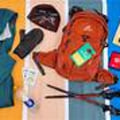
When venturing into the great outdoors, understanding campsite etiquette is essential for ensuring a pleasant experience for everyone involved. Whether you are a seasoned camper or a novice hiker, adhering to proper camping etiquette not only enhances your own enjoyment but also fosters a sense of community among fellow outdoor enthusiasts. Respecting the natural environment and those who share it with you is paramount, as it helps maintain the beauty and tranquillity of our beloved campsites. Campsite etiquette encompasses a variety of practices that promote safety, cleanliness, and respect for nature. From managing noise levels to properly disposing of waste, these guidelines are designed to minimise your impact on the environment while maximising the enjoyment of your camping experience.
Moreover, understanding hiking etiquette is equally important when traversing trails, as it ensures that all hikers can enjoy their journey without unnecessary disruptions. As we delve deeper into the specifics of campsite etiquette, you will discover practical tips and insights that will help you navigate social interactions in the wild. By embracing these principles, you contribute to a culture of respect and consideration that benefits everyone who seeks solace in nature. So, whether you're setting up camp for the night or embarking on a day hike, remember that your actions can significantly influence the outdoor experience for yourself and others.
Respecting Nature and Wildlife
When engaging in camping and hiking, it is crucial to adopt principles that promote the preservation of our natural surroundings. One of the most effective ways to do this is by adhering to the Leave No Trace principles, which serve as guidelines for minimising our impact on the environment.Leave No Trace Principles:
- Plan Ahead and Prepare: Proper planning can prevent accidents and reduce the need for emergency interventions that may disturb wildlife.
- Travel and Camp on Durable Surfaces: Stick to established trails and campsites to avoid damaging fragile ecosystems.
- Dispose of Waste Properly: Carry out all rubbish, leftover food, and personal items.
Use designated toilets or bury human waste at least 200 feet from water sources.
- Leave What You Find: Preserve the natural beauty by not picking plants, removing rocks, or disturbing historical sites.
- Minimise Campfire Impact: Use a camp stove for cooking instead of making a fire, which can scar the landscape.
- Respect Wildlife: Observe animals from a distance and never feed them, as this can alter their natural behaviours.
- Be Considerate of Other Visitors: Keep noise levels down and maintain a respectful distance from other campers.
Wildlife Safety:
Understanding how to coexist with wildlife is essential for both your safety and the well-being of animals. Always store food securely in bear-proof containers or hang it from trees when camping in bear country. Avoid approaching wildlife, as this can lead to dangerous encounters. Remember that feeding animals disrupts their natural foraging habits and can lead to aggressive behaviour.
Respecting Nature:
Your actions while camping can have lasting effects on the environment.
By respecting nature, you contribute to the sustainability of these beautiful landscapes for future generations. Take only photographs, leave only footprints, and ensure that your outdoor adventures do not compromise the integrity of the ecosystems you enjoy.
Campsite Selection and Setup
Choosing the right campsite is crucial for a successful and enjoyable experience in the great outdoors. When considering campsite selection, several factors come into play that can significantly impact your comfort and safety.Distance from Water Sources
- Proximity to water is essential for drinking, cooking, and cleaning. However, it’s important to set up camp at least 200 feet away from lakes, rivers, or streams to protect the natural environment and avoid flooding risks.
- Consider the availability of water sources for your entire stay.
If you need to filter or purify water, ensure you have the necessary equipment.
Terrain Considerations
- The terrain can affect your overall camping experience. Look for flat, level ground that is free from rocks and debris for a comfortable sleeping area.
- Avoid areas prone to flooding or those with loose soil that may shift under your tent. Additionally, consider the slope of the land; a slight incline can help with drainage but too steep can be uncomfortable.
Proximity to Other Campers
- Respecting the space of fellow campers is vital for maintaining a peaceful atmosphere. Aim to set up your campsite at least 30 feet away from others when possible.
- This distance not only provides privacy but also reduces noise and disturbances, allowing everyone to enjoy their experience in nature.
By taking the time to choose wisely, you contribute positively to both your adventure and the environment around you.
Noise Management in Campsites
When enjoying the great outdoors, noise management is a crucial aspect of campsite etiquette. Respecting the tranquillity of nature not only enhances your own experience but also that of fellow campers. Here are some key points to consider:- Be Mindful of Volume: Whether it’s music, laughter, or conversations, keeping your voice down is essential. Sound travels far in open spaces, and what seems like a normal volume to you may be disruptive to others.
- Use Headphones: If you want to enjoy music or podcasts, opt for headphones instead of playing them aloud.
This simple act can significantly reduce noise pollution in the campsite.
- Limit Generator Use: If your camping setup includes a generator, try to use it sparingly and during designated hours. Many campsites have specific rules regarding generator use to maintain a peaceful environment.
- Respect Quiet Hours: Most campsites enforce quiet hours, typically from 10 PM to 7 AM. During this time, it’s important to keep noise to an absolute minimum. Familiarise yourself with the specific rules of your campsite before setting up.
- Avoid Loud Activities: Activities such as playing games or engaging in sports can generate noise.
Choose quieter games or save more boisterous activities for times when you know they won’t disturb others.
Campfire Safety and Etiquette
When enjoying the great outdoors, campfire safety and etiquette are paramount to ensure a safe and enjoyable experience for everyone. Understanding the regulations surrounding campfires is essential, as they can vary significantly depending on the location.Fire Regulations
- Before lighting a fire, always check local regulations regarding campfires. Some areas may have total fire bans during dry seasons.
- Use designated fire pits or rings whenever possible to minimise environmental impact.
- Ensure that your fire is at least 15 feet away from tents, trees, and other flammable materials.
Best Practices for Campfires
- Keep your fire small and manageable.
A large fire can be difficult to control and poses a greater risk of spreading.
- Never leave a campfire unattended. Always have water or dirt nearby to extinguish the fire if necessary.
- When finished, ensure the fire is completely out. Douse it with water and stir the ashes until they are cool to the touch.
Campfire Etiquette
- Be considerate of fellow campers by keeping noise levels down. A roaring fire can be enjoyable, but loud conversations can disturb others.
- Avoid using green wood or materials that produce excessive smoke, as this can be unpleasant for those nearby.
- If cooking over the fire, be mindful of food smells that may attract wildlife.
Store food securely when not in use.
Waste Management Practices
When it comes to waste management while camping, adhering to proper practices is essential for preserving the natural environment and ensuring a pleasant experience for all campers. Here are some key points to consider:- Pack It In, Pack It Out: One of the fundamental principles of camping is to take all your rubbish with you. This includes food wrappers, plastic bottles, and any other waste you generate during your stay.
- Food Scraps: Leftover food can attract wildlife and disrupt local ecosystems. Always store food securely and dispose of scraps in designated bins or take them home.
If you must dispose of organic waste, consider using a composting method if allowed.
- Use Designated Trash Bins: Many campsites provide specific bins for waste disposal. Make sure to use these facilities rather than leaving trash on the ground or in the surrounding area.
- Burnable Waste: If your campsite allows campfires, you may be able to burn certain types of waste, such as paper products. However, check local regulations first and ensure that you are following safe burning practices.
- Eco-Friendly Products: Opt for biodegradable soaps and detergents when washing dishes or cleaning up. This helps minimise your impact on the environment.
Remember, being a responsible camper not only enhances your experience but also protects nature for future generations.
Interacting with Other Campers
When it comes to camping and hiking, interacting with other campers is an essential aspect of ensuring a pleasant experience for everyone involved. Respecting fellow campers not only fosters a sense of community but also enhances the overall enjoyment of the great outdoors.Respecting Personal Space
One of the most important rules of campsite etiquette is to respect the personal space of others. When setting up your tent or campsite, try to maintain a reasonable distance from neighbouring sites. A good rule of thumb is to keep at least 10-15 feet between your setup and that of others.
This distance allows for privacy and reduces the likelihood of disturbances.
Noise Levels
Another key consideration is noise. While it’s natural to want to enjoy your time with friends or family, be mindful of your volume, especially during early mornings or late evenings when others may be trying to relax or sleep. Consider using headphones for music and keep conversations at a moderate level.
Sharing Resources
In many camping situations, sharing resources can enhance the experience. If you have extra firewood, food, or equipment, don’t hesitate to offer it to your neighbours.
However, always ask first before borrowing anything from others. This simple act of courtesy can lead to new friendships and a more enjoyable atmosphere.
Communicating with Fellow Campers
If you’re camping in a shared area, it’s important to communicate openly with those around you. If you plan on having guests over or using communal facilities, let your neighbours know in advance. This transparency helps avoid misunderstandings and ensures everyone feels comfortable.
Leave No Trace
Finally, always adhere to the Leave No Trace principles.
Clean up after yourself and ensure that your campsite is tidy before you leave. This not only shows respect for nature but also for those who will camp after you.By following these guidelines for interacting with other campers, you contribute to a positive camping environment that everyone can enjoy.
Dealing with Pets at Campsites
Bringing your furry friends along on your camping and hiking adventures can enhance the experience, but it also comes with responsibilities. Understanding pet etiquette at campsites is crucial for ensuring a harmonious environment for both your pet and fellow campers.Leash Laws
Many campsites have specific leash laws in place to protect wildlife and ensure the safety of all visitors. Always check the campsite rules before your arrival.
Keeping your pet on a leash not only prevents them from wandering off but also helps avoid potential conflicts with other animals and campers.
Cleaning Up After Your Pet
One of the most important aspects of pet etiquette is cleaning up after your pet. Always carry waste bags and dispose of them in designated bins. Leaving pet waste can lead to unpleasant experiences for others and can harm the local environment.
Pet Safety
Ensuring your pet's safety while camping is paramount. Here are some tips to keep in mind:
- Stay Hydrated: Make sure your pet has access to fresh water at all times, especially during warm weather.
- Check for Hazards: Before setting up camp, inspect the area for potential dangers such as sharp objects, toxic plants, or steep drops.
- Keep Them Comfortable: Provide a comfortable sleeping area and ensure they are protected from extreme weather conditions.
Respecting Other Campers
Your pet's behaviour can significantly impact the camping experience of others.
If your pet tends to bark or is overly energetic, consider keeping them in a quiet area or using calming techniques. Always be mindful of how your pet interacts with other campers and their pets.By following these guidelines, you can ensure that camping with pets remains a joyful experience for everyone involved. Remember, responsible pet ownership contributes to a positive atmosphere in nature, allowing everyone to enjoy the great outdoors together.
Frequently Asked Questions about Campsite Etiquette
When it comes to campsite etiquette, many campers have questions that can help enhance their experience and ensure a pleasant environment for everyone. Here are some frequently asked questions:What is the best way to set up my campsite?
When setting up your campsite, choose a spot that is at least 200 feet away from water sources to protect local wildlife and maintain water quality.Additionally, look for level ground and avoid areas with dead trees or branches that could fall. Always set up your tent in a way that respects the space of others.
How should I handle noise at the campsite?
Noise can be a significant concern in shared camping areas. It’s best to keep conversations at a low volume, especially during early mornings or late evenings. If you’re playing music, use headphones to avoid disturbing fellow campers.What should I do with my trash?
Always pack out what you pack in.This means taking all your rubbish with you when you leave the campsite. Use designated bins if available, and if not, carry your waste until you can dispose of it properly.
Is it okay to approach other campers?
While it’s perfectly fine to greet fellow campers, always respect their privacy. If you wish to engage in conversation, approach them politely and be mindful of their space.How can I ensure I’m following fire safety rules?
- Check local regulations regarding campfires before lighting one.
- Use established fire rings if available.
- Keep fires small and manageable, and never leave them unattended.
- Ensure the fire is completely extinguished before leaving the site.
Conclusion: Embracing Responsible Camping Practices
In conclusion, embracing responsible camping practices is essential for ensuring a positive experience for both yourself and fellow outdoor enthusiasts.By adhering to the principles of campsite etiquette, you contribute to the preservation of nature and the enjoyment of all who venture into the great outdoors. Throughout this article, we have highlighted several key aspects of camping and hiking etiquette that are vital for maintaining harmony in shared spaces:
- Leave No Trace: Always clean up after yourself, ensuring that you leave your campsite as you found it, or even better.
- Respect Wildlife: Observe animals from a distance and never feed them, as this can disrupt their natural behaviours.
- Noise Control: Keep noise levels to a minimum to allow others to enjoy the serenity of nature.
- Campfire Safety: Follow local regulations regarding campfires, and always fully extinguish fires before leaving your site.
- Respect Other Campers: Be mindful of your neighbours by keeping your space tidy and being considerate with shared facilities.