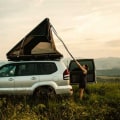
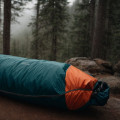
Embarking on a journey into the great outdoors through camping and hiking is an exhilarating way to connect with nature, unwind from the hustle and bustle of daily life, and create lasting memories. However, to truly enjoy this experience, understanding the basics of camping and the essentials of hiking is paramount. Just as a home maintenance checklist is crucial for keeping your living space safe and comfortable, proper preparation for your outdoor adventure enhances your experience and ensures your safety in the wilderness. When setting up a campsite, it’s crucial to consider various factors that contribute to a successful outdoor experience. From selecting the right location to understanding the necessary gear, each element plays a significant role in your overall enjoyment.
For instance, choosing a flat area away from water sources can prevent flooding and provide a comfortable sleeping surface. Additionally, being aware of local wildlife and weather conditions can help you make informed decisions about your campsite setup. Moreover, having the right hiking essentials is equally important. This includes not only appropriate clothing and footwear but also navigation tools, first aid kits, and sufficient food and water supplies. By equipping yourself with knowledge about these essentials, you can tackle any challenges that arise during your outdoor adventures.
Ultimately, a well-prepared camper is more likely to have a fulfilling experience in nature, making it essential to grasp these foundational concepts before heading out.
Choosing the Right Campsite Location
When it comes to setting up a campsite, the location you choose can significantly impact your overall experience. Here are some essential tips to consider when selecting the perfect spot:- Proximity to Water: Look for a campsite that is near a water source, such as a river, lake, or stream. This not only provides easy access for drinking and cooking but also enhances the natural beauty of your surroundings. However, ensure that you set up your tent at least 200 feet away from the water to protect the ecosystem and avoid flooding.
- Terrain Type: The type of terrain can affect your comfort and safety.
Opt for flat, level ground that is free from rocks and debris. Avoid areas with loose soil or steep slopes, as these can lead to unstable conditions. Additionally, consider the type of vegetation; grassy areas are often more comfortable than rocky or sandy spots.
- Safety from Natural Hazards: Assess the area for potential hazards such as falling branches, flooding risks, or wildlife activity. Avoid camping under dead trees or in areas prone to landslides.
It’s also wise to check local wildlife guidelines to stay safe from animals like bears or snakes.
- Sunlight and Shade: Consider the sun's path throughout the day. A campsite that offers a mix of sun and shade can keep you comfortable during hot days while providing warmth during cooler nights. Look for natural features like trees that can provide shade without obstructing your view.
- Accessibility: Ensure that your chosen site is easily accessible, especially if you’re carrying heavy gear. A location that is too far from your vehicle or trailhead can make setting up and packing down more challenging.
Essential Gear for Camping and Hiking
When planning your next adventure in the great outdoors, having the right essential gear for camping and hiking is crucial for a safe and enjoyable experience.Below is a comprehensive camping gear checklist that will help you prepare effectively.
Camping Gear Checklist
- Tent: Choose a tent that suits the number of campers and the weather conditions. Look for features like waterproofing and ventilation.
- Sleeping Bag: Opt for a sleeping bag rated for the temperatures you expect. Consider lightweight options for backpacking.
- Sleeping Pad: A good sleeping pad provides insulation and comfort, making your nights in the wild more restful.
- Cooking Equipment: A portable stove, fuel, pots, and utensils are essential for preparing meals. Don’t forget a lighter or matches!
- Food and Water Supplies: Pack non-perishable food items and ensure you have enough water or a reliable filtration system.
- First Aid Kit: Always carry a well-stocked first aid kit to handle minor injuries or emergencies.
Hiking Equipment
- Backpack: A comfortable, well-fitted backpack is essential for carrying your gear.
Look for one with adjustable straps and multiple compartments.
- Shoes: Invest in quality hiking boots that provide support and traction on various terrains.
- Clothing: Dress in layers to adapt to changing weather conditions. Waterproof jackets and moisture-wicking fabrics are highly recommended.
- Navigational Tools: A map, compass, or GPS device can help you stay on track during your hikes.
- Multi-tool or Knife: Useful for various tasks, from food preparation to gear repairs.
- Headlamp or Flashlight: Ensure you have adequate lighting for navigating at night.
- Campsite Furniture: Lightweight chairs or portable tables can enhance your comfort at the campsite.
Setting Up Your Tent: Step-by-Step Guide
Setting up your tent correctly is crucial for a comfortable camping experience. Here’s a step-by-step guide to ensure your tent is pitched securely and effectively.1.Choose the Right Location
- Look for a flat, level area free from rocks, sticks, and other debris that could damage your tent or make sleeping uncomfortable.
- Avoid low-lying spots where water might collect in case of rain.
- Consider the direction of the wind; setting up your tent with the entrance facing away from prevailing winds can help keep it stable.
- Check for potential hazards such as dead branches overhead that could fall during a storm.
2.Lay Out Your Tent
Once you’ve selected the perfect spot, lay out your tent on the ground.
Unpack it and spread it out to get an idea of its size and shape. This will help you visualise how it fits into the space you've chosen.
3.Assemble the Tent Poles
Most tents come with colour-coded poles for easy assembly. Follow the instructions provided with your tent to connect the poles correctly. Ensure they are sturdy and free from any damage before proceeding.
4.Insert the Poles
Once assembled, insert the poles into their respective sleeves or clips on the tent body.
This will give your tent its structure. Make sure to secure them properly to avoid any collapses during windy conditions.
5.Stake Down Your Tent
- Use stakes to secure your tent to the ground, driving them at a 45-degree angle away from the tent for maximum stability.
- If you’re camping in a windy area, consider using additional guylines for extra support.
6.Add a Groundsheet
If you have a groundsheet or footprint, lay it down before pitching your tent. This will provide an extra layer of protection against moisture and abrasions.
7.Final Checks
After setting up, check all zippers and seams for any potential leaks or issues. Ensure that your tent is taut but not overly stretched, which can cause wear over time.By following these steps, you can ensure that your camping experience is enjoyable and comfortable, allowing you to focus on exploring nature rather than worrying about your shelter.
Creating a Comfortable Campsite Environment
When it comes to creating a comfortable campsite environment, thoughtful planning can significantly enhance your outdoor experience.Here are some essential tips to consider for an inviting and functional setup.
- Choose the Right Location: Look for a flat, dry area that is sheltered from wind and away from potential hazards like falling branches. Proximity to water sources is beneficial, but ensure you set up at least 200 feet away to protect the ecosystem.
- Designate Zones: Organise your campsite into specific areas for cooking, sleeping, and relaxing. This not only maximises space but also helps maintain cleanliness and safety.
- Comfortable Seating: Invest in portable chairs or hammocks that provide comfort after a long day of hiking. Arrange seating around a central fire pit or cooking area to encourage social interaction.
- Personal Touches: Bring along items that make your campsite feel like home.
This could include decorative lights, cushions, or even a small rug. These personal touches can transform a basic setup into a welcoming outdoor living space.
- Utilise Tarps and Canopies: Weather can be unpredictable, so having tarps or canopies can provide shade during the day and shelter from rain at night. This ensures that your campsite remains comfortable regardless of the conditions.
- Organise Your Gear: Use storage bins or backpacks to keep your gear organised and easily accessible. A clutter-free campsite not only looks better but also enhances safety by reducing tripping hazards.
Safety Tips for Camping and Hiking
When embarking on a camping and hiking adventure, prioritising safety is essential to ensure a memorable and enjoyable experience.Here are some crucial camping safety tips and hiking safety advice to keep in mind:
- Plan Ahead: Before you set out, research your destination thoroughly. Understand the terrain, weather conditions, and any potential hazards. Inform someone about your plans, including your expected return time.
- Pack the Essentials: Always carry a well-stocked first aid kit, a map, a compass or GPS device, and sufficient food and water. A multi-tool can also be invaluable for various tasks.
- Dress Appropriately: Wear suitable clothing for the weather conditions.
Layering is key; it allows you to adjust your clothing as temperatures change. Sturdy hiking boots are essential for protecting your feet.
- Stay on Marked Trails: To avoid getting lost or injured, stick to established paths. This not only helps you navigate but also protects the natural environment.
- Be Aware of Wildlife: Understand the local wildlife and how to behave if you encounter animals. Store food securely to avoid attracting them to your campsite.
- Practice Fire Safety: If you plan to have a campfire, ensure it is permitted in your area.
Keep fires small, never leave them unattended, and fully extinguish them before leaving.
- Know Your Limits: Listen to your body and know when to turn back. Pushing yourself too hard can lead to accidents or injuries.
Leave No Trace Principles: Protecting Nature While Camping
When embarking on a camping adventure, it is crucial to embrace the Leave No Trace principles to ensure that our natural environments remain pristine for future generations. These principles serve as a guideline for responsible outdoor ethics, promoting environmental stewardship while enjoying the great outdoors.1.Plan Ahead and Prepare
- Research your destination to understand the local regulations and conditions.
- Pack necessary gear and supplies to minimise waste and avoid leaving anything behind.
2.Travel and Camp on Durable Surfaces
- Stick to established trails and campsites to prevent soil erosion and protect vegetation.
- Avoid creating new paths or campsites, which can damage fragile ecosystems.
3.Dispose of Waste Properly
- Pack out all trash, leftover food, and personal items.
Use designated waste disposal facilities when available.
- For human waste, follow local guidelines—this may include digging a hole at least 15 cm deep or using a portable toilet.
4.Leave What You Find
- Avoid removing rocks, plants, or historical artefacts from their natural settings.
- Take only photographs and memories; leave nature as you found it.
5.Minimise Campfire Impact
- Use a camp stove for cooking instead of building a fire, which can scar the landscape.
- If fires are permitted, use established fire rings and keep them small.
6.Respect Wildlife
- Observe animals from a distance and never feed them, as this can alter their natural behaviours.
- Store food securely to prevent attracting wildlife to your campsite.
7.Be Considerate of Other Visitors
- Keep noise levels down to preserve the tranquillity of nature for others.
- Yield the trail to other hikers and maintain a friendly attitude towards fellow campers.
Frequently Asked Questions About Campsite Setup
Setting up a campsite can be a rewarding experience, but it often comes with its own set of questions. Here are some frequently asked questions that can help you navigate the process more smoothly.What is the best location for my campsite?
Choosing the right location is crucial for a successful camping experience. Look for a flat area that is at least 200 feet away from water sources to protect the ecosystem.Additionally, consider the following:
- Sunlight: Ensure your site gets morning sun to warm up your tent but has some shade in the afternoon to keep it cool.
- Wind: Position your tent away from strong winds, ideally with natural windbreaks like trees or bushes.
- Ground conditions: Avoid rocky or uneven ground; soft, dry soil is ideal for sleeping comfortably.
How do I set up my tent properly?
Setting up your tent correctly is essential for comfort and protection from the elements. Follow these steps:- Clear the area: Remove any debris, rocks, or sharp objects from the ground where you plan to pitch your tent.
- Lay out the footprint: If you have a footprint or tarp, lay it down first to protect the tent floor.
- Assemble the tent poles: Follow the manufacturer's instructions to connect and insert poles into the tent body.
- Secure the tent: Use stakes to anchor your tent firmly to the ground, ensuring it’s taut and stable.
What should I do if it rains?
If rain is in the forecast, take precautions before setting up your campsite:- Pitch your tent wisely: Choose higher ground to avoid flooding and ensure proper drainage.
- Use a rainfly: Always use a rainfly or tarp over your tent for added waterproofing.
- Create drainage channels: Dig small trenches around your tent to divert water away from your sleeping area.
Conclusion: Enjoying Your Camping Experience to the Fullest
In conclusion, setting up a campsite effectively can significantly enhance your camping and hiking experience. By following the tips outlined in this article, you can ensure that your time spent in nature is both enjoyable and safe.First and foremost, selecting the right location is crucial. Look for a flat area that is away from potential hazards such as falling branches or flooding.Additionally, consider the proximity to water sources and trails, which can make your camping experience more convenient.Next, investing in quality gear cannot be overstated. A reliable tent, sleeping bag, and cooking equipment will not only provide comfort but also contribute to your safety. Remember to check the weather forecast before you head out, as this will help you prepare adequately for any conditions you may encounter.Moreover, setting up your campsite with organisation in mind can lead to a more enjoyable stay. Keep your cooking area separate from your sleeping area to avoid attracting wildlife.
Use designated storage for food and gear to maintain cleanliness and order.Finally, embrace the spirit of camping and hiking by engaging with your surroundings. Take time to explore the local flora and fauna, participate in campfire storytelling, or simply enjoy the tranquillity of nature. These experiences will create lasting memories and deepen your appreciation for the great outdoors.By applying these tips, you can maximise your enjoyment while camping. So pack your bags, gather your friends or family, and set out on an adventure that promises both relaxation and excitement!.