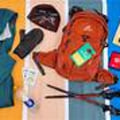
When embarking on a camping and hiking adventure, the thrill of exploring the great outdoors often overshadows the need for safety precautions. However, understanding the importance of first aid is crucial for ensuring a safe and enjoyable experience. Accidents can happen at any time, whether it’s a minor scrape from a branch or a more serious injury. Being prepared with essential first aid items can make all the difference in how effectively you respond to these situations. In the wilderness, access to medical facilities can be limited or non-existent, making it imperative to equip yourself with the right tools and knowledge.
Camping safety and hiking safety are not just about avoiding dangerous wildlife or navigating tricky terrains; they also encompass being ready to handle injuries or illnesses that may arise. A well-stocked first aid kit tailored for outdoor activities can provide peace of mind, allowing you to focus on enjoying nature rather than worrying about potential mishaps. Moreover, understanding basic first aid principles can empower you to act swiftly and confidently in emergencies. Whether you’re hiking up a mountain or setting up camp by a serene lake, knowing how to treat common injuries such as cuts, burns, or insect bites is invaluable. This section will delve into the essential first aid items you should bring along on your next camping and hiking trip, ensuring that you are well-prepared for whatever challenges nature may throw your way.
Basic First Aid Kit Essentials
When preparing for a camping and hiking trip, having a well-stocked first aid kit is crucial for addressing any minor injuries or emergencies that may arise.Below are the essential items that should be included in your camping first aid kit.
- These are vital for covering small cuts and blisters. Ensure you have various sizes to accommodate different injuries.
- Useful for larger wounds, gauze pads help to absorb blood and protect the injury from dirt and bacteria.
- This is necessary for securing gauze pads in place, especially in outdoor conditions where movement can dislodge them.
- To clean wounds before applying dressings, antiseptic wipes help prevent infection.
- Over-the-counter pain relievers such as ibuprofen or paracetamol can be invaluable for managing pain from injuries or general discomfort.
- Essential for removing splinters, ticks, or other foreign objects that may become embedded in the skin.
- A small pair of scissors can be useful for cutting tape, gauze, or clothing in case of an emergency.
- These can help reduce swelling and relieve pain from sprains or strains.
- A compact guide can provide essential information on how to treat various injuries and conditions you may encounter while camping.
Additional Supplies for Specific Situations
When venturing into the great outdoors, being prepared for unexpected situations is crucial. While a basic first aid kit is essential, there are additional supplies that can enhance your readiness for specific injuries or emergencies that may arise during your camping and hiking adventures.- Insect Bite Relief: Insect bites can be a common nuisance while camping. Consider packing antihistamine cream or oral antihistamines to alleviate itching and swelling.
- Burn Treatment: If you're cooking over an open flame or using a camp stove, burns can happen.
Include burn gel or dressings in your kit to soothe and protect the affected area.
- Splinting Materials: For more serious injuries like fractures, having splinting materials such as a SAM splint or even a rolled-up magazine can help immobilise the injury until professional help is available.
- Emergency Blanket: An emergency thermal blanket can be invaluable in case of sudden weather changes or if someone suffers from shock. It helps retain body heat and provides warmth.
- Antiseptic Wipes: Keeping wounds clean is vital to prevent infection. Antiseptic wipes are portable and effective for cleaning cuts and scrapes before applying dressings.
- Water Purification Tablets: In case of dehydration or if you need to source water from natural bodies, these tablets can ensure that the water is safe to drink.
How to Assemble Your First Aid Kit
Assembling a first aid kit for your camping and hiking adventures is crucial for ensuring safety in the great outdoors.Here’s a step-by-step guide to help you create a comprehensive DIY first aid kit tailored to your needs.
- Choose the Right Container: Start with a durable, waterproof container that can withstand the elements. A small backpack or a hard-shell case works well.
- Gather Essential Supplies: Include the following items in your kit:
- Adhesive Bandages: Various sizes for minor cuts and scrapes.
- Gauze Pads and Tape: For larger wounds that require more coverage.
- Antiseptic Wipes: To clean wounds and prevent infection.
- Antibiotic Ointment: To apply on cuts after cleaning.
- Pain Relievers: Such as ibuprofen or paracetamol for headaches or muscle pain.
- Allergy Medication: Antihistamines for allergic reactions.
- Tweezers and Scissors: For removing splinters or cutting tape and gauze.
- Instant Cold Packs: To reduce swelling from injuries.
- <
b)Thermometer: To check for fever if someone feels unwell. - Personal Medications: Don’t forget to include any personal medications that you or your companions may need, such as asthma inhalers or diabetes supplies.
- Add a First Aid Manual: A small guide can be invaluable in emergencies, providing instructions on how to handle various injuries.
- Regularly Check and Update Your Kit: Before each trip, review your supplies to ensure everything is in good condition and replace any expired items.
First Aid Tips for Common Camping and Hiking Injuries
When embarking on a camping and hiking adventure, being prepared for common injuries is crucial. Here are some essential first aid tips to help you manage typical outdoor injuries effectively.1.Cuts and Scrapes
Minor cuts and scrapes are frequent during hikes.To treat these:
- Clean the wound: Rinse it with clean water to remove dirt and debris.
- Apply antiseptic: Use an antiseptic wipe or solution to disinfect the area.
- Cover the wound: Use a sterile bandage or dressing to protect it from further injury.
2.Sprains and Strains
If you twist an ankle or strain a muscle, follow the R.I.C.E method:- Rest: Avoid putting weight on the injured area.
- Icing: Apply ice wrapped in a cloth for 15-20 minutes to reduce swelling.
- Compression: Use an elastic bandage to support the injury.
- Elevation: Keep the injured limb elevated above heart level when possible.
3.Insect Bites and Stings
Insect bites can cause discomfort and allergic reactions. For treatment:- Remove stingers: If stung by a bee, carefully remove the stinger with tweezers.
- Cleansing: Wash the area with soap and water.
- Treat symptoms: Apply a cold pack to reduce swelling and take antihistamines if necessary.
4.Sunburn
Avoid sunburn by applying sunscreen before heading out. If you do get sunburned:- Cool the skin: Take a cool shower or apply a damp cloth to the affected area.
- Moisturise: Use aloe vera or a soothing lotion to relieve discomfort.
- Stay hydrated: Drink plenty of water to help your body recover.
FAQs About First Aid for Camping and Hiking
When preparing for a camping and hiking trip, it's natural to have questions about first aid.Here are some frequently asked questions that can help you feel more prepared.
What should I include in my first aid kit for camping and hiking?
Your first aid kit should be comprehensive yet compact. Essential items include:- Adhesive bandages in various sizes for minor cuts and scrapes.
- Antiseptic wipes to clean wounds and prevent infection.
- Gauze pads and medical tape for larger injuries.
- Elastic bandages for sprains or strains.
- Pain relief medication, such as ibuprofen or paracetamol.
- Insect bite cream to alleviate itching and swelling.
- Burn cream for treating minor burns.
- Emergency blanket to retain body heat in case of shock or cold weather.
- Tweezers for removing splinters or ticks.
- Scissors for cutting tape or clothing if necessary.
How can I prevent injuries while hiking?
Preventing injuries is crucial for a safe hiking experience. Here are some tips:- Wear appropriate footwear: Sturdy hiking boots provide support and grip on uneven terrain.
- Stay hydrated: Drink plenty of water to avoid dehydration, which can lead to fatigue and injury.
- Pace yourself: Take breaks as needed, especially on challenging trails, to avoid overexertion.
- Be aware of your surroundings: Watch for loose rocks, roots, and other hazards that could cause trips or falls.
- Know your limits: Choose trails that match your fitness level and experience.
What should I do if someone gets injured?
If an injury occurs, follow these steps:- Assess the situation: Ensure the area is safe before approaching the injured person.
- Check for responsiveness: If they are unconscious, call for emergency help immediately.
- Treat the injury: Use your first aid kit to address wounds, sprains, or other injuries as needed.
- Monitor their condition: Keep an eye on their symptoms until help arrives or they can safely return to camp.
Conclusion: Be Prepared for Your Next Adventure
As we conclude our exploration of essential first aid items for your camping and hiking adventures, it is crucial to remember that preparation is key to ensuring a safe and enjoyable experience in the great outdoors. A well-stocked first aid kit can make all the difference when faced with unexpected injuries or ailments.Throughout this article, we have highlighted various items that should be included in your first aid kit, such as:- Adhesive bandages for minor cuts and scrapes
- Antiseptic wipes to clean wounds and prevent infection
- Gauze pads and tape for larger injuries
- Pain relief medication to manage discomfort
- Allergy medication for unexpected allergic reactions
- Emergency blanket to retain body heat in cold conditions
- Tweezers and scissors for removing splinters or cutting tape
- First aid manual for guidance on treating various injuries
Consider factors such as the duration of your trip, the remoteness of your location, and any pre-existing medical conditions among your group members.Ultimately, being prepared with a comprehensive first aid kit not only enhances your safety but also allows you to focus on enjoying the beauty of nature. Whether you're hiking through rugged terrain or camping under the stars, having the right supplies at hand can provide peace of mind and ensure that you are ready to tackle any challenges that may arise.So, as you plan your next camping and hiking trip, take the time to assemble a first aid kit that meets your needs. Remember, adventure awaits, but safety should always come first!.