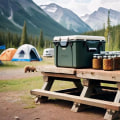
Embarking on a camping and hiking adventure with children offers a multitude of benefits that extend far beyond the great outdoors. Engaging in these family-friendly activities not only promotes physical health but also fosters emotional well-being and educational growth. As families step away from the hustle and bustle of daily life, they create lasting memories while encouraging their children to explore nature, develop new skills, and build resilience. One of the most significant advantages of camping with children is the opportunity for physical activity. Hiking trails, setting up tents, and participating in outdoor games help children develop strength, coordination, and endurance.
These activities can instil a love for fitness that lasts a lifetime. Moreover, being surrounded by nature has been shown to reduce stress levels and improve mood, making it an ideal environment for families to bond and unwind together. In addition to physical benefits, hiking with kids encourages curiosity and learning. Children are naturally inquisitive, and exploring the wilderness provides them with a hands-on classroom where they can learn about ecosystems, wildlife, and environmental stewardship. This immersive experience not only enhances their understanding of the world but also nurtures a sense of responsibility towards nature.
By planning a family outdoor activity like camping or hiking, parents can cultivate a deeper appreciation for the environment in their children while simultaneously strengthening family ties.
Choosing the Right Destination for Your Family Trip
When planning a family camping and hiking trip, selecting the right destination is crucial for ensuring a fun and safe experience for everyone, especially children. Here are some key factors to consider when choosing your location:- Safety: Always prioritise safety by researching the area for any potential hazards. Look for campgrounds that have good reviews regarding safety and security. Check if there are any wildlife concerns or difficult terrain that may pose risks to young children.
- Accessibility: Choose locations that are easily accessible by car and have facilities suitable for families.
Look for campsites with amenities such as restrooms, showers, and picnic areas. This can make your stay more comfortable and enjoyable.
- Kid-Friendly Hiking Trails: Opt for trails that are specifically designed for families. These should be shorter in distance, have gentle inclines, and offer interesting features like streams or wildlife spotting opportunities to keep children engaged. Websites like Walks with Kids can provide valuable insights into suitable trails.
- Best Camping Locations for Families: In the UK, there are numerous family-friendly camping destinations.
Consider places like the Lake District, where you can find campsites with stunning views and plenty of outdoor activities. The New Forest is another excellent choice, offering both camping facilities and easy access to nature trails.
- Activities Available: Look for destinations that offer a variety of activities beyond hiking, such as swimming, fishing, or nature workshops. This ensures that your children have multiple options to explore and enjoy their time outdoors.
Essential Gear and Packing List for Camping and Hiking with Kids
Planning a camping and hiking trip with children requires careful consideration of the essential gear and a well-thought-out packing list. Ensuring that you have the right equipment can make all the difference in creating a fun and safe outdoor experience for your family.Essential Camping Gear for Families
- Tent: Choose a family-sized tent that is easy to set up and spacious enough for everyone to sleep comfortably.
Look for features like a rainfly and good ventilation.
- Sleeping Bags: Opt for sleeping bags rated for the season. Kids may prefer fun designs, but ensure they are warm and comfortable.
- Camping Stove: A portable camping stove is essential for cooking meals. Consider bringing lightweight cookware that is easy to clean.
- First Aid Kit: Always pack a comprehensive first aid kit tailored for children, including band-aids, antiseptic wipes, and any necessary medications.
Packing List for Hiking with Children
- Backpacks: Each child should have a lightweight backpack to carry their own snacks, water, and personal items.
- Water Bottles: Hydration is key. Ensure each child has a refillable water bottle that is easy to use.
- Snacks: Pack plenty of energy-boosting snacks like trail mix, granola bars, and fruit to keep spirits high during hikes.
- Child-Friendly Hiking Gear: Invest in sturdy hiking boots that fit well and provide good support.
Consider lightweight clothing that is breathable and quick-drying.
Comfort Items
- Cushions or Sleeping Pads: For added comfort while sleeping or sitting around the campfire, bring lightweight cushions or sleeping pads.
- Toys or Games: Pack a few small toys or games to keep children entertained during downtime at the campsite.
Planning Activities and Itineraries for Family Camping Trips
When planning a family camping trip, creating an engaging itinerary is essential to keep children entertained and involved. Here are some tips to help you plan activities that will make your camping and hiking experience memorable for the whole family.Incorporate Fun Outdoor Activities
- Nature Scavenger Hunt: Create a list of items for your children to find, such as specific leaves, rocks, or animal tracks. This activity encourages exploration and observation.
- Storytelling Around the Campfire: Set aside time each evening for storytelling.
Encourage your children to share their own tales or read from a book, fostering creativity and bonding.
- Outdoor Games: Bring along games like frisbee, capture the flag, or even a simple ball to play with. These activities can help burn off energy and promote teamwork.
Plan a Hiking Itinerary for Kids
When it comes to hiking, consider the following:- Select Shorter Trails: Choose trails that are suitable for children, ideally under 3 miles round trip. Look for paths with interesting features like streams or unique rock formations.
- Include Breaks: Plan for regular breaks during hikes. Use these moments to hydrate, snack, and enjoy the scenery.
This keeps energy levels up and spirits high.
- Engage with Nature: Teach your children about the flora and fauna you encounter. Use a guidebook or app to identify plants and animals, making the hike educational as well as fun.
Safety Tips for Camping and Hiking with Children
When planning a camping and hiking trip with children, prioritising safety is essential to ensure a fun and worry-free experience. Here are some crucial safety tips to keep in mind:- Choose Age-Appropriate Trails: Select hiking trails that match your children's age and fitness levels.
Look for well-marked paths that are not too strenuous, allowing for breaks and exploration.
- Teach Basic Safety Rules: Before heading out, discuss important safety rules with your children. Teach them to stay on the trail, not to wander off, and to always stay within sight of an adult.
- Pack a First Aid Kit: Always carry a well-stocked first aid kit tailored for children. Include items like adhesive bandages, antiseptic wipes, insect repellent, and any necessary medications.
- Stay Hydrated: Ensure that everyone drinks plenty of water throughout the day. Dehydration can lead to fatigue and decreased alertness, which can be dangerous while hiking.
- Dress Appropriately: Dress your children in layers suitable for the weather conditions.
Ensure they wear sturdy footwear to prevent injuries and blisters.
- Establish a Meeting Point: In case anyone gets separated, establish a clear meeting point where everyone can regroup. This is especially important in busy camping areas or on popular trails.
- Be Aware of Wildlife: Educate your children about local wildlife and how to behave if they encounter animals. Teach them not to approach or feed wildlife.
- Stay Calm: In any emergency situation, remaining calm is crucial.
Your children will look to you for guidance, so your composure will help them feel secure.
- Know Basic First Aid: Familiarise yourself with basic first aid techniques. Knowing how to treat cuts, scrapes, or insect bites can make a significant difference in an emergency.
- Have a Communication Plan: Ensure you have a way to communicate in case of emergencies. A fully charged mobile phone or a two-way radio can be invaluable in remote areas.
Teaching Children About Nature During Your Trip
Planning a camping and hiking trip with children offers a fantastic opportunity to teach them about the wonders of nature. Engaging in educational activities outdoors not only enhances their experience but also fosters a deeper appreciation for the environment.One effective way to incorporate nature education for children is through interactive scavenger hunts.Create a list of items for your children to find, such as different types of leaves, rocks, or animal tracks. This activity encourages them to observe their surroundings closely and learn about various species and ecosystems.
Wildlife Observation
Encourage your children to observe wildlife from a distance. Equip them with binoculars and a field guide to local birds or animals. This not only makes the experience exciting but also teaches them about teaching kids about wildlife and the importance of respecting natural habitats.Nature Journals
Provide each child with a nature journal where they can document their findings.They can draw pictures of plants and animals, write down interesting facts, or even record the weather conditions each day. This practice enhances their observational skills and allows them to reflect on their experiences.
Educational Games
- Nature Bingo: Create bingo cards with various natural elements like trees, flowers, and animals. As you hike, children can mark off items they see.
- Storytelling: Encourage children to create stories based on their surroundings. This can be a fun way to integrate creativity with learning about nature.
- Plant Identification: Teach them how to identify local plants using apps or field guides, discussing their uses and ecological roles.
The memories created during these activities will enrich their understanding of the world around them.
Frequently Asked Questions About Camping and Hiking with Children
When planning a camping and hiking trip with children, parents often have numerous questions. Here are some of the most frequently asked questions that can help ease your concerns:- What age is appropriate for children to start camping?
Most children can start camping as early as age 5, but it depends on their temperament and interest. Younger children may enjoy shorter trips with familiar surroundings. - How do I keep my children safe while hiking?
Always supervise your children closely, especially near cliffs or water. Equip them with proper gear, such as sturdy shoes and a well-fitted backpack.Teach them about trail safety and the importance of staying on marked paths.
- What should I pack for a camping trip with kids?
Pack essentials like a tent, sleeping bags, cooking equipment, and food. Don’t forget items specific to children, such as their favourite toys, books, and extra clothing. A first-aid kit is also crucial. - How can I make hiking fun for my kids?
Incorporate games like scavenger hunts or nature bingo to keep them engaged. Allow them to lead the way occasionally and encourage them to explore their surroundings. - What if my child gets tired during a hike?
Plan for regular breaks and choose trails that match your child’s fitness level.Carry a lightweight child carrier or a comfortable backpack for younger kids who may need a lift.
Conclusion: Embracing the Adventure of Camping and Hiking as a Family
In conclusion, planning a family camping and hiking trip is not just about choosing a destination; it’s about creating lasting memories and fostering a love for the great outdoors in your children. By taking the time to prepare adequately, you can ensure that your adventure is enjoyable and safe for everyone involved.Throughout this article, we have explored essential aspects of planning, including:- Choosing the Right Location: Selecting a family-friendly campsite with suitable trails can make all the difference in your experience.
- Involving Children in the Planning Process: Engaging your kids in the decision-making fosters excitement and helps them feel invested in the trip.
- Packing Wisely: Ensuring you have all necessary gear, food, and safety equipment is crucial for a smooth outing.
- Setting Realistic Expectations: Understanding your children’s limits and planning activities accordingly can prevent frustration and enhance enjoyment.
Whether it’s navigating a tricky trail or roasting marshmallows by the campfire, these experiences will strengthen family bonds and instil a sense of adventure in your children.So gather your gear, lace up those hiking boots, and set out to explore nature’s wonders. The world is full of beautiful landscapes waiting to be discovered, and there’s no better way to experience them than as a family. Happy camping!.