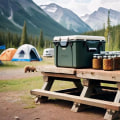
Embarking on a camping and hiking adventure can be one of the most rewarding experiences, offering a chance to connect with nature and escape the hustle and bustle of daily life. However, many outdoor enthusiasts, both novice and seasoned, often fall prey to common mistakes that can turn a dream trip into a nightmare. Understanding these pitfalls is crucial for ensuring a safe and enjoyable experience in the great outdoors. One of the primary errors made by campers and hikers is inadequate preparation. This includes not only packing the right gear but also failing to research the area you plan to explore.
From understanding local wildlife to checking weather conditions, being informed can significantly enhance your experience. Additionally, neglecting to plan your meals or underestimating the importance of hydration can lead to discomfort and even health risks during your trip. Another frequent mistake is overestimating one’s abilities. Many adventurers set out on trails that are beyond their skill level or attempt to hike longer distances than they are physically prepared for. This can lead to exhaustion or injury, detracting from the enjoyment of your time spent in nature.
By recognising these common hiking errors and taking proactive steps to avoid them, you can ensure that your camping and hiking experiences are both safe and fulfilling.
Lack of Proper Planning
When it comes to camping and hiking, the importance of proper planning cannot be overstated. Many outdoor enthusiasts underestimate the significance of preparing adequately, which can lead to a range of issues during their adventures.Route Selection
- Choosing the right trail is crucial. Research various routes to find one that matches your skill level and physical condition.
- Utilise maps and GPS tools to familiarise yourself with the terrain, ensuring you know where you are going and how to get there.
- Consider the distance and elevation gain; a challenging hike can quickly become overwhelming without proper preparation.
Weather Considerations
- Always check the weather forecast before setting out. Sudden changes in weather can turn a pleasant hike into a dangerous situation.
- Pack appropriate clothing and gear for varying conditions, including rain jackets, thermal layers, and sun protection.
- Be prepared for emergencies by knowing how to respond to severe weather, such as thunderstorms or extreme heat.
Necessary Permits
- Many popular camping and hiking areas require permits for access.
Failing to secure these can result in fines or being turned away at the entrance.
- Research the specific regulations for your chosen destination, including any restrictions on campfires or wildlife interactions.
- Plan ahead to ensure you have all necessary documentation ready before your trip.
Inadequate Gear and Equipment
When it comes to camping and hiking, having the right gear is crucial for a successful and enjoyable experience. One of the most common mistakes is choosing inappropriate equipment that does not suit the specific conditions of your trip. For instance, using a summer sleeping bag in winter conditions can lead to a miserable night, while wearing heavy boots on a short, easy hike can cause unnecessary discomfort.Another frequent error is neglecting to test your gear before heading out.It’s essential to ensure that your tent sets up easily, your stove functions properly, and your backpack fits comfortably. Failing to do so can result in wasted time and frustration when you’re already on the trail.Additionally, many campers and hikers overlook the importance of packing essential items. Here’s a list of must-have gear that should never be forgotten:
- Navigation tools: A map and compass or a GPS device are vital for staying on track.
- First aid kit: Accidents can happen, so be prepared with a well-stocked first aid kit.
- Water purification system: Access to clean water is critical; carry a filter or purification tablets.
- Multi-tool or knife: Useful for various tasks, from food preparation to gear repairs.
- Weather-appropriate clothing: Layering is key; ensure you have moisture-wicking base layers, insulating mid-layers, and waterproof outer layers.
Ignoring Safety Precautions
When embarking on outdoor adventures, ignoring safety precautions can lead to dire consequences.Whether you are camping or hiking, understanding and implementing safety measures is crucial for a successful trip. One of the first steps in ensuring your safety is to carry a well-stocked first aid kit. This kit should include essentials such as bandages, antiseptic wipes, pain relievers, and any personal medications. Familiarise yourself with how to use each item in your kit, as this knowledge can be invaluable in an emergency.
Navigation Tools
Another common mistake is neglecting to bring proper navigation tools. Relying solely on your smartphone can be risky due to battery life and signal issues.Instead, consider carrying a physical map and compass, and ensure you know how to use them. Before setting out, plan your route and share it with someone who will not be joining you.
Understanding Wildlife Encounters
Encounters with wildlife can be thrilling but also dangerous if not approached correctly. It’s essential to understand the local fauna and how to react in various situations. For instance, if you encounter a bear, knowing how to behave can mean the difference between a safe experience and a potentially life-threatening one.Always store food securely and maintain a safe distance from wildlife. Lastly, being prepared for emergencies is vital. This includes having a reliable means of communication, such as a satellite phone or a personal locator beacon, especially in remote areas. Additionally, inform someone of your itinerary and expected return time. By prioritising these safety precautions while camping and hiking, you can significantly reduce risks and enhance your overall experience in the great outdoors.
Underestimating Physical Fitness Requirements
One of the most significant mistakes that campers and hikers make is underestimating the physical fitness requirements necessary for their outdoor adventures. Many individuals embark on hiking trips without adequately assessing their current fitness levels, which can lead to exhaustion, injury, or even dangerous situations.Understanding Hiking Fitness Levels
- Beginner: If you are new to hiking, it’s essential to start with shorter, less strenuous trails.
Gradually increase the difficulty as your fitness improves.
- Intermediate: For those with some experience, consider incorporating longer hikes with varied terrain to build endurance and strength.
- Advanced: Experienced hikers should focus on challenging routes that require significant stamina and physical preparation.
- Cardiovascular Training: Activities such as running, cycling, or swimming can enhance your heart and lung capacity, which is vital for tackling steep inclines and long distances.
- Strength Training: Focus on building core strength and leg muscles through exercises like squats, lunges, and deadlifts. Stronger muscles will help you carry your gear and navigate challenging terrains more effectively.
- Flexibility Exercises: Incorporate stretching or yoga into your routine to improve flexibility and reduce the risk of injuries during hikes.
By understanding your fitness level and preparing accordingly, you can enjoy a safer and more rewarding experience while camping and hiking. Remember that every individual’s fitness journey is unique; listen to your body and progress at a pace that suits you.
Neglecting Environmental Considerations
When embarking on outdoor adventures such as camping and hiking, it is crucial to consider the environmental impact of your activities. Neglecting these considerations can lead to significant harm to natural habitats and wildlife. Understanding and implementing the Leave No Trace principles is essential for every outdoor enthusiast.Leave No Trace Principles
- Plan Ahead and Prepare: Proper planning helps minimise waste and reduces the likelihood of accidents.
- Travel and Camp on Durable Surfaces: Stick to established trails and campsites to prevent soil erosion and protect vegetation.
- Dispose of Waste Properly: Carry out what you bring in, including food scraps and personal waste, to keep the environment clean.
- Leave What You Find: Preserve the natural beauty by not removing rocks, plants, or historical items.
- Minimise Campfire Impact: Use a stove for cooking instead of making a fire, which can scar the landscape.
- Respect Wildlife: Observe animals from a distance and never feed them, as this can disrupt their natural behaviours.
- Be Considerate of Other Visitors: Keep noise levels down and maintain a respectful distance from other campers and hikers.
Respecting nature while hiking means being aware of your surroundings and understanding that your actions have consequences. For instance, trampling on delicate flora can lead to long-term damage, while littering can harm wildlife that may ingest harmful materials.Moreover, educating yourself about the local ecosystem before your trip can further enrich your experience. Understanding the flora and fauna in the area allows you to appreciate the beauty around you while ensuring that you do not inadvertently cause harm. Remember, every small action counts towards preserving our precious natural spaces for future generations to enjoy.
Poor Food and Water Management
When embarking on a camping and hiking adventure, poor food and water management can significantly detract from your experience.To ensure a successful trip, it’s essential to avoid common mistakes related to food storage, meal planning, and hydration strategies.
Camping Food Mistakes
One of the most frequent errors is failing to plan meals adequately. Without a proper meal plan, you may end up with too much perishable food that spoils before you can consume it. Here are some tips to avoid this:- Choose non-perishable items: Opt for canned goods, dried fruits, nuts, and vacuum-sealed meals that can withstand the elements.
- Pre-prepare meals: Consider preparing some meals at home and freezing them. They can serve as ice packs in your cooler and provide a quick meal option.
- Pack smart: Use airtight containers to keep food fresh and prevent wildlife from getting into your supplies.
Hydration While Hiking
Staying hydrated is crucial during any outdoor activity, yet many hikers underestimate their water needs.Here are some common hydration mistakes:
- Ignoring thirst: Don’t wait until you’re thirsty to drink water; by then, you may already be dehydrated. Aim to drink regularly throughout your hike.
- Relying solely on water: While water is essential, consider bringing electrolyte drinks or tablets to replenish lost minerals during strenuous activities.
- Poor water source management: If you plan to refill from natural sources, ensure you have a reliable filtration system to avoid waterborne illnesses.
Meal Planning for Camping
A well-thought-out meal plan can enhance your camping experience. Here are some strategies to consider:- Create a balanced menu: Include a variety of proteins, carbohydrates, and fats to keep your energy levels stable.
- Consider cooking methods: Plan meals that suit your cooking equipment. If you have limited resources, opt for one-pot meals that are easy to prepare and clean up.
- Involve everyone: If camping with a group, assign meal responsibilities to share the workload and ensure everyone’s preferences are considered.
Proper planning ensures that you can focus on the beauty of nature rather than worrying about your next meal or hydration level.
Failure to Communicate Plans with Others
One of the most critical mistakes to avoid while engaging in camping and hiking is the failure to communicate your plans with others. Whether you are heading out for a day hike or a weekend camping trip, informing someone about your itinerary can significantly enhance your safety and accountability.Communicating Hiking Plans
- Before you set off, share your planned route, expected return time, and any alternative paths you might take. This information is vital in case of emergencies.
- Consider leaving a detailed note at home or with a trusted friend that includes your contact information, vehicle details, and the location of your campsite.
Informing Others About Camping Trips
- When planning a camping trip, ensure that someone knows where you will be camping and for how long. This is especially important if you are venturing into remote areas.
- If possible, check in with someone at regular intervals during your trip.
This can be done via text or phone call if signal permits.
Safety in Numbers Camping
- Whenever feasible, travel with a group. There is safety in numbers, and having companions can provide support in case of an emergency.
- If hiking alone, consider joining local hiking groups or clubs where you can meet others who share your passion for the outdoors.
Conclusion: Key Takeaways on Camping and Hiking Mistakes
In conclusion, avoiding common mistakes while camping and hiking is essential for ensuring a safe and enjoyable experience in the great outdoors. By being aware of potential pitfalls, you can enhance your adventure and create lasting memories.Preparation is Key
One of the most significant takeaways is the importance of thorough preparation.This includes:
- Researching your destination: Understand the terrain, weather conditions, and any potential hazards.
- Packing appropriately: Ensure you have the right gear, clothing, and supplies for your trip.
- Planning your route: Familiarise yourself with trails and establish a clear itinerary.
Awareness of Your Surroundings
Another critical aspect is maintaining awareness of your surroundings. This involves:- Staying on marked trails: This helps protect the environment and reduces the risk of getting lost.
- Being mindful of wildlife: Respect animals by keeping a safe distance and storing food properly.
Safety First
Lastly, prioritising safety cannot be overstated. Always carry a first aid kit, inform someone of your plans, and be prepared for emergencies. By following these guidelines, you can significantly reduce risks associated with camping and hiking.Ultimately, learning from others' mistakes can lead to a more fulfilling outdoor experience.Embrace the adventure while being cautious and prepared, and you will surely enjoy all that nature has to offer.