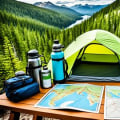
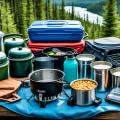
When embarking on a camping and hiking adventure, the significance of proper packing cannot be overstated. The right gear not only enhances your experience but also ensures your safety and comfort in the great outdoors. Whether you are a seasoned explorer or a novice, understanding the essentials to bring along can make all the difference between a memorable trip and a challenging ordeal. Imagine setting off on a beautiful trail, surrounded by nature's splendour, only to realise you’ve forgotten crucial items like water purification tablets or a reliable first aid kit. Such oversights can lead to discomfort or even dangerous situations.
Therefore, taking the time to carefully consider your camping essentials and hiking essentials is vital. This preparation not only equips you for various scenarios but also allows you to fully immerse yourself in the experience without unnecessary worries. Moreover, packing efficiently can help you manage your load better, making it easier to navigate through rugged terrains. From choosing the right tent to selecting appropriate clothing layers, each item plays a pivotal role in your overall enjoyment and safety. In the following sections, we will delve into a comprehensive list of must-have items that will prepare you for any camping and hiking expedition, ensuring that you are well-equipped to tackle whatever nature throws your way.
Essential Camping Gear
When planning a camping trip, having the right essential camping gear can make all the difference between a memorable adventure and a challenging experience.Below is a comprehensive camping gear checklist that covers the fundamental items you should consider packing.
- Tent: A reliable tent is crucial for shelter. Choose one that suits the number of campers and is appropriate for the weather conditions you expect.
- Sleeping Bag: Opt for a sleeping bag that provides adequate insulation for the temperatures you’ll encounter. Look for features like water resistance and compactness for easy transport.
- Sleeping Pad: A sleeping pad adds comfort and insulation from the cold ground, enhancing your overall sleep quality.
- Cooking Equipment: Bring a portable stove or camping grill, along with fuel, pots, pans, and utensils. Don’t forget a lighter or matches!
- Food and Water Supplies: Pack non-perishable food items and ensure you have enough water or a reliable filtration system if you plan to source water from natural bodies.
- Clothing: Layered clothing is essential.
Include moisture-wicking base layers, insulating mid-layers, and waterproof outer layers to adapt to changing weather conditions.
- First Aid Kit: A well-stocked first aid kit is vital for treating minor injuries or ailments while in the wilderness.
- Navigation Tools: Carry a map and compass or a GPS device to help you navigate unfamiliar terrain safely.
- Lighting: Headlamps or lanterns are essential for visibility at night. Ensure you have extra batteries or a solar-powered option.
Clothing and Footwear for Camping and Hiking
When preparing for a camping and hiking adventure, selecting the right clothing and footwear is crucial for ensuring comfort and protection against the elements. The right gear can make a significant difference in your overall experience.Clothing Essentials
- Base Layers: Start with moisture-wicking base layers that keep sweat away from your skin.
Look for materials like merino wool or synthetic fabrics that provide warmth without bulk.
- Insulating Layer: Depending on the season, an insulating layer such as a fleece or down jacket is essential. This layer traps heat and keeps you warm during chilly evenings.
- Outer Layer: A waterproof and breathable jacket is vital for protecting against rain and wind. Look for features like adjustable hoods and ventilation zippers for added comfort.
- Pants: Opt for durable, quick-drying trousers or shorts. Convertible pants that zip off into shorts can be particularly versatile for changing weather conditions.
- Accessories: Don’t forget a wide-brimmed hat for sun protection, gloves for warmth, and a buff or scarf to shield your neck from the elements.
Footwear Choices
- Hiking Boots: Invest in a good pair of hiking boots that provide ankle support and have a sturdy sole for traction on uneven terrain.
Ensure they are well-fitted to prevent blisters.
- Socks: Choose moisture-wicking socks made from wool or synthetic materials to keep your feet dry. Avoid cotton socks as they retain moisture and can lead to discomfort.
- Sandal Options: If you plan on relaxing at the campsite, consider packing a pair of lightweight sandals that allow your feet to breathe after a long day of hiking.
Food and Cooking Supplies
When planning a camping trip, having the right food and cooking supplies is essential for a successful outdoor experience. Proper meal prep can enhance your adventure, ensuring you stay energised and satisfied while hiking or camping.Essential Food Items
- Non-perishable foods: Items like canned beans, pasta, rice, and dehydrated meals are great for camping as they require minimal preparation and can be stored easily.
- Snacks: Trail mix, energy bars, and dried fruits are perfect for quick energy boosts during hikes.
- Fresh produce: Apples, oranges, and carrots are durable options that can add freshness to your meals without spoiling quickly.
- Condiments: Don’t forget essentials like salt, pepper, and cooking oil to enhance the flavour of your meals.
Cooking Supplies for Camping
- Portable stove or campfire equipment: A compact camping stove or the ability to cook over a campfire is crucial for preparing hot meals.
- Cookware: Lightweight pots and pans made from materials like titanium or aluminium are ideal for cooking on the go.
- Utensils: Bring along a spatula, tongs, and a multi-tool to make cooking easier.
Don’t forget plates, bowls, and cutlery!
- Cooler: If you plan to bring perishable items like meat or dairy, a good cooler will keep your food fresh throughout your trip.
Meal Prep Tips for Hiking
To streamline your cooking process while camping or hiking, consider pre-prepping some meals at home. For instance, you can marinate meats in advance or chop vegetables to save time. Additionally, packing meals in resealable bags can help with portion control and reduce waste.By carefully selecting your camping food ideas and ensuring you have the right cooking supplies, you can enjoy delicious meals that fuel your adventures in the great outdoors.
Safety and First Aid Essentials
When embarking on a camping and hiking adventure, prioritising safety is paramount. Having the right first aid kit and safety gear can make a significant difference in handling emergencies effectively.First Aid Kit for Camping Your first aid kit should be comprehensive yet compact.Essential items to include are:
- Adhesive bandages in various sizes for minor cuts and scrapes.
- Antiseptic wipes to clean wounds and prevent infection.
- Gauze pads and medical tape for larger injuries.
- Pain relief medication, such as ibuprofen or paracetamol.
- Allergy medication, especially if you have known allergies.
- A pair of tweezers for splinters or ticks.
- A thermometer to monitor body temperature.
- A whistle, which can be used to signal for help if you get lost.
- A headlamp or flashlight, along with extra batteries, for visibility after dark.
- A multi-tool, which can serve various purposes from repairs to food preparation.
- A map and compass, or a GPS device, to navigate unfamiliar terrain.
- A fire starter kit, including waterproof matches or a lighter, to help you start a fire quickly.
- An emergency blanket, which can provide warmth in unexpected situations.
Navigation Tools and Technology
When embarking on a camping and hiking adventure, having the right navigation tools is crucial for ensuring a safe and enjoyable experience. Whether you are traversing well-trodden paths or venturing into the wilderness, being equipped with reliable navigation aids can make all the difference.Maps and Compasses
A traditional yet essential tool for any hiker is a detailed map of the area you plan to explore.Topographic maps provide valuable information about the terrain, including elevation changes, water sources, and trails. Pairing your map with a compass allows you to orient yourself accurately and navigate effectively. Familiarising yourself with how to read a map and use a compass is a skill that can enhance your outdoor experience significantly.
GPS Devices
In today’s digital age, GPS devices have become increasingly popular among campers and hikers. These devices offer precise location tracking and can help you navigate unfamiliar terrains with ease.Many modern GPS units come equipped with features such as preloaded maps, waypoint marking, and even route planning capabilities. However, it’s important to remember that technology can fail; therefore, always carry a backup navigation method, such as a map and compass.
Smartphone Apps
Your smartphone can also serve as an effective navigation tool when hiking. Numerous apps are available that provide offline maps, trail information, and GPS tracking. Before heading out, download the necessary maps for your destination to ensure you have access even without mobile signal.Just be cautious of battery life; consider bringing a portable charger to keep your device powered throughout your trip.
Conclusion
In summary, whether you opt for traditional methods like maps and compasses or modern technology such as GPS devices and smartphone apps, having reliable navigation tools is essential for any camping and hiking trip. Being prepared will not only enhance your safety but also allow you to fully immerse yourself in the beauty of nature.Personal Items and Hygiene Supplies
When preparing for a camping trip, it’s easy to focus on gear and food, but personal items and hygiene supplies are equally important for ensuring a comfortable and enjoyable experience. Here’s a checklist of essential items you should consider packing.- Toiletries: Bring travel-sized toiletries to save space. Essential items include:
- Toothbrush and toothpaste
- Biodegradable soap for washing yourself and your dishes
- Shampoo and conditioner, preferably in eco-friendly packaging
- Deodorant
- Wet wipes or hand sanitiser for quick clean-ups
- Personal Care Items: Don’t forget to pack personal care items that cater to your specific needs:
- Sunscreen to protect your skin from UV rays
- Lip balm, especially one with SPF
- Insect repellent to ward off pesky bugs
- Feminine hygiene products, if applicable
- First Aid Kit: A well-stocked first aid kit is crucial.
Include:
- Bandaids of various sizes
- Aspirin or ibuprofen for pain relief
- Aloe vera gel for sunburn relief
- Your personal medications, if any
- Camping Toiletries: Consider the environment when choosing your camping toiletries. Opt for biodegradable options whenever possible. Items like a portable toilet or trowel for digging a cat hole can also be essential, depending on your camping location.
Entertainment and Leisure Items
When planning a camping trip, it’s essential to consider how you’ll unwind and enjoy your time in nature.Entertainment and leisure items can significantly enhance your experience, providing opportunities for relaxation and fun during downtime.
Games to Bring Camping
Board games and card games are perfect for evenings around the campfire. Consider packing:- Uno – A classic card game that’s easy to learn and great for all ages.
- Exploding Kittens – A fun, fast-paced card game that’s sure to bring laughter.
- Travel-sized board games – Compact versions of popular games like chess or checkers can be a hit.
Outdoor Activities
In addition to games, think about activities that can engage everyone:- Frisbee – A simple yet enjoyable way to get everyone moving.
- Kite flying – If the weather permits, this can be a delightful way to spend an afternoon.
- Nature scavenger hunt – Create a list of items to find in the surrounding area, making it a fun adventure for families.
Reading and Relaxation
A good book can be the perfect companion while lounging at your campsite. Consider bringing:- A novel or two – Choose something light and engaging to enjoy during quiet moments.
- A journal – Document your experiences and thoughts while immersed in nature.
- A deck of cards – Versatile for various games, they take up minimal space.
Frequently Asked Questions about Camping Packing Lists
When preparing for a camping trip, many beginners have questions about what to pack and how to ensure they have everything they need for a successful adventure.Here are some common queries regarding camping packing and hiking gear.
What should I include in my camping packing list?
Your camping packing list should include essential items such as:- Tent and sleeping gear (sleeping bag, sleeping pad)
- Cooking equipment (portable stove, utensils, pots)
- Food and water supplies (non-perishable food, water bottles)
- Clothing suitable for the weather (layers, waterproof jacket)
- First aid kit
- Navigation tools (map, compass, GPS)
- Lighting (headlamp or flashlight with extra batteries)
What are some packing tips for beginners?
If you're new to camping and hiking, consider these helpful tips:- Make a checklist: Write down all the items you need to avoid forgetting anything important.
- Packing by category: Group similar items together (cooking gear, clothing, etc.) to make it easier to find what you need.
- Use compression bags: These can save space in your backpack and keep your clothes dry.
- Test your gear: Before your trip, set up your tent and try out your cooking equipment at home.
How do I choose the right hiking gear?
Selecting the right hiking gear is crucial for comfort and safety. Consider the following:- Shoes: Invest in a good pair of hiking boots that provide support and grip.
- Pants and shirts: Opt for moisture-wicking fabrics that keep you dry and comfortable.
- Backpack: Choose a size that fits your needs; day packs are great for short hikes while larger packs are necessary for overnight trips.
Conclusion: Packing Smart for Your Outdoor Adventures
In conclusion, being well-prepared is crucial for a successful camping and hiking experience. The right gear not only enhances your comfort but also ensures your safety in the great outdoors. As we have discussed, there are several essential items that should be included in your packing list. First and foremost, proper shelter is vital.A reliable tent or hammock can protect you from the elements and provide a comfortable place to rest after a long day of hiking. Additionally, don’t forget to pack a quality sleeping bag and sleeping pad to ensure a good night’s sleep. Next, consider your cooking needs. A portable stove, fuel, and cooking utensils are essential for preparing meals in the wild. Remember to bring along non-perishable food items that are easy to cook and nutritious, as well as plenty of water or a reliable water filtration system. Moreover, clothing plays a significant role in your outdoor adventure.
Layering is key; pack moisture-wicking base layers, insulating mid-layers, and waterproof outer layers to adapt to changing weather conditions. Don’t forget sturdy hiking boots and appropriate accessories like hats and gloves. Finally, safety gear should never be overlooked. A first aid kit, navigation tools such as maps and compasses, and a multi-tool can be lifesavers in unexpected situations. Always carry a flashlight or headlamp with extra batteries for visibility during nighttime activities. By carefully considering these essentials and tailoring your packing list to your specific trip, you can embark on your camping and hiking adventures with confidence.
Remember, the more prepared you are, the more you can enjoy the beauty of nature without unnecessary worries.