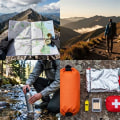
When venturing into the great outdoors, particularly in regions known as bear country, understanding the local wildlife is paramount for ensuring a safe and enjoyable experience. Bear country refers to areas where bears are commonly found, including national parks, forests, and mountainous regions. These environments are not only home to these magnificent creatures but also present unique challenges for campers and hikers. Recognising the presence of bears and their behaviours is essential for anyone looking to explore these wild landscapes. Bears are opportunistic feeders, often attracted to food sources that humans may inadvertently leave behind.
This makes it crucial for campers to adopt proper camping safety measures to minimise the risk of bear encounters. Understanding bear behaviour—such as their foraging habits and territorial instincts—can significantly reduce the likelihood of an unwanted interaction. For instance, knowing that bears have an acute sense of smell can inform how you store food and dispose of waste while camping. Moreover, being aware of the signs of bear activity, such as tracks or scat, can help you assess your surroundings and make informed decisions about your campsite location. By educating yourself on these aspects of bear behaviour and implementing effective safety practices, you can enjoy the beauty of nature while respecting its wild inhabitants.
This foundational knowledge sets the stage for understanding how to properly pack and store food in bear country, ensuring both your safety and that of these incredible animals.
The Importance of Proper Food Storage
When camping in bear country, proper food storage is not just a matter of convenience; it is essential for both your safety and the well-being of wildlife. Bears have an extraordinary sense of smell, capable of detecting food from miles away. If food is not stored correctly, it can attract bears to your campsite, leading to potentially dangerous encounters.Bear encounters
can escalate quickly, resulting in harm to both humans and bears. When bears become accustomed to human food, they may lose their natural fear of people, which can lead to aggressive behaviour.This not only puts campers at risk but also endangers the bear population. A bear that learns to associate humans with food may have to be relocated or euthanised if it becomes a nuisance.Moreover, improper food storage can disrupt the local ecosystem. When bears and other wildlife are drawn to campsites due to accessible food, it can lead to a cycle of dependency on human-provided resources. This can have long-term effects on their natural foraging behaviours and overall health.To ensure food safety and minimise risks, always store food in bear-resistant containers or hang it from a tree at least 4 metres off the ground and 2 metres away from the trunk.
Additionally, keep cooking areas clean and dispose of waste properly. By taking these precautions, you not only protect yourself but also contribute to the preservation of wildlife in their natural habitat.
Choosing the Right Food for Camping in Bear Country
When camping in bear country, selecting the right food is crucial not only for your safety but also for the preservation of wildlife.Non-perishable food
items are ideal as they reduce the risk of attracting bears to your campsite. Here are some of the best options:- Dehydrated meals: Lightweight and easy to prepare, these meals only require hot water to rehydrate, making them a convenient choice.
- Canned goods: Items like beans, vegetables, and soups are durable and can be stored safely without refrigeration.
- Granola bars and trail mix: These snacks are not only nutritious but also provide a quick energy boost during hikes.
- Instant oatmeal: A hearty breakfast option that is easy to pack and prepare.
- Dried fruits and nuts: These are excellent sources of energy and can be enjoyed as snacks throughout your trip.
Here are some tips to consider:
- Store food in bear-proof containers: Use bear canisters or lockers provided at campsites to keep your food secure.
- Avoid strong-smelling items: Foods like fish, bacon, or anything with a strong odour should be avoided as they can easily attract bears.
- Keep cooking and eating areas separate: Set up your cooking area away from your sleeping area to reduce the chances of attracting bears to your tent.
Packing Your Food: Best Practices
When it comes to packing food for camping in bear country, the right strategies can make all the difference in keeping both your food safe and bears at bay. Here are some essential tips to ensure your food is securely packed:- Use Bear-Proof Containers: Invest in high-quality bear-proof containers designed to withstand a bear's attempts to access your food. These containers are typically made from durable materials and have secure locking mechanisms.
- Opt for Airtight Bags: For items that don’t require hard containers, use airtight bags to keep food fresh and odour-free. This not only preserves the food but also reduces the scent that might attract bears.
- Pack Smart: Organise your food by grouping similar items together.
Place heavier items at the bottom of your pack and lighter ones on top. This helps maintain balance and makes it easier to access what you need.
- Avoid Scented Products: Be mindful of packing items that have strong scents, such as toiletries or snacks. Opt for unscented alternatives whenever possible, as these can also attract wildlife.
- Store Food Away from Sleeping Areas: Always store your food at least 200 feet away from your campsite and sleeping area. This distance helps minimise the risk of attracting bears to where you rest.
This involves hanging your food in a tree at least 10 feet off the ground and 4 feet away from the trunk, making it difficult for bears to reach.By following these packing tips, you can enjoy your camping and hiking experience while ensuring that both you and the local wildlife remain safe. Remember, proper food storage is not just about protecting your supplies; it’s also about respecting nature and its inhabitants.
Storing Food While Camping: Techniques and Tools
When camping in bear country, proper food storage is essential to ensure both your safety and the well-being of wildlife. Here are some effective food storage techniques and tools that can help you keep your provisions secure.Bear Canisters
Bear canisters are one of the most reliable methods for storing food while camping. These hard, durable containers are designed to withstand a bear's attempts to access their contents.They are typically made from tough plastic and come with a secure locking mechanism. When using a bear canister, it’s important to:
- Choose a canister that meets local regulations, as some parks require them.
- Store the canister at least 100 yards away from your sleeping area.
- Keep the canister closed and locked when not in use.
Hanging Food Bags
If bear canisters are not an option, hanging food bags provide an alternative method for keeping your food safe. This technique involves suspending your food high off the ground, making it difficult for bears to reach. To effectively hang a food bag:- Select a sturdy tree branch that is at least 4 metres off the ground and 2 metres away from the trunk.
- Use a strong rope or cord to hoist your food bag up and secure it tightly.
- Ensure that the bag is not swinging or easily accessible to wildlife.
Always remember that proper food storage is not just about protecting your meals; it’s also about respecting wildlife and maintaining the natural balance of the ecosystem.
What to Do in Case of a Bear Encounter
Encountering a bear while camping can be a daunting experience, but knowing how to react can significantly enhance your safety. Here are essential bear encounter tips to follow if a bear approaches your campsite.- Stay Calm: The first step is to remain calm. Bears can sense fear, and panicking may provoke an unwanted reaction.
- Assess the Situation: Determine whether the bear is aware of your presence. If it seems unaware, quietly back away without drawing attention to yourself.
- Make Your Presence Known: If the bear is aware of you, speak in a calm, firm voice.
This helps the bear identify you as a human and not a threat.
- Avoid Eye Contact: Direct eye contact can be perceived as a challenge. Instead, keep the bear in your peripheral vision while slowly moving away.
- Do Not Run: Running may trigger the bear's chase instinct. Instead, back away slowly while keeping an eye on the bear.
- Stand Your Ground: Do not run or climb trees; bears are excellent climbers and running may provoke an attack.
- Use Bear Spray: If you have bear spray, prepare to use it if the bear comes within range (typically 30 feet). Aim slightly downward to create a barrier between you and the bear.
- Play Dead (if attacked): If a bear makes contact with you, playing dead may be your best option, especially with grizzly bears.
Lie flat on your stomach with your hands clasped behind your neck and remain still until the bear leaves.
Frequently Asked Questions About Camping in Bear Country
When camping in bear country, it’s natural to have questions about how to keep your food safe and avoid unwanted encounters with these magnificent creatures. Here are some frequently asked questions that can help you prepare for a safe and enjoyable camping experience.- What is the best way to store food while camping?
Always use bear-resistant containers or bear canisters to store your food.These containers are designed to withstand a bear's attempts to access them. If you don’t have a bear canister, hang your food at least 10 feet off the ground and 4 feet away from the tree trunk.
- Can I keep food in my tent?
No, it is not advisable to keep any food or scented items in your tent. Bears have an excellent sense of smell and can be attracted to even the faintest scent. Store all food outside, in a secure container. - What should I do with my cooking equipment?
After cooking, clean all utensils and cookware thoroughly.Store them away from your sleeping area and ideally in the same bear-resistant container as your food.
- How do I dispose of food waste?
Pack out all food scraps and waste. If you must dispose of waste, use designated bear-proof trash bins if available. Never bury food waste as bears can dig it up. - Are there specific times when bears are more active?
Bears are typically more active during dawn and dusk. It’s best to cook and eat meals during daylight hours to minimise the risk of encounters.
Always remember that safety comes first when camping in bear country.
Conclusion: Key Takeaways for Safe Camping in Bear Country
In conclusion, ensuring your safety while camping in bear country hinges on effective food packing and storage techniques. By adhering to the following key takeaways, you can significantly reduce the risk of bear encounters and enjoy a safer outdoor experience.- Use Bear-Resistant Containers: Invest in high-quality bear-proof canisters or lockers. These are designed to withstand a bear's attempts to access your food, providing an essential barrier between you and wildlife.
- Store Food Away from Sleeping Areas: Always keep your food at least 200 feet away from your tent. This distance helps to minimise the chances of attracting bears to your sleeping area.
- Pack Smart: When preparing for your trip, opt for non-perishable foods that are less aromatic.
Items like dehydrated meals or vacuum-sealed snacks can be less enticing to bears.
- Dispose of Waste Properly: Always pack out what you pack in. This includes food scraps and wrappers. Use designated waste disposal areas if available, or store waste in bear-resistant containers until you can dispose of it properly.
- Be Mindful of Scent: Keep scented items such as toiletries and cooking gear stored with your food. Bears have an incredible sense of smell, and even small scents can attract them.
Remember, responsible camping is about coexisting with nature while ensuring both your safety and that of the bears. Stay informed, stay prepared, and enjoy your adventures in the great outdoors!.