Hiking in remote areas can be an exhilarating experience, offering breathtaking views and a chance to connect with nature. However, it is essential to understand the risks associated with hiking in these less-travelled paths. Unlike well-marked trails, remote hiking routes often lack the safety measures and amenities that are typically found in more popular locations. This absence of infrastructure can lead to a variety of safety concerns, making it crucial for hikers to be well-prepared. One of the primary dangers of hiking in isolated regions is the potential for getting lost.
Without clear markers or maps, even seasoned hikers can find themselves disoriented. Additionally, the unpredictable nature of weather in remote areas can pose significant threats, from sudden storms to extreme temperature changes. These environmental factors can lead to hazardous conditions that may not only affect your comfort but also your safety. Moreover, wildlife encounters are another risk that hikers must consider. While many animals are generally shy and avoid human contact, unexpected encounters can lead to dangerous situations.
Understanding how to react in these scenarios is vital for ensuring your safety. As you prepare for your adventure, recognising these remote hiking dangers will help you appreciate the importance of implementing effective safety measures.
Preparation is Key: Planning Your Hike
When it comes to hiking in remote areas, thorough preparation is essential for ensuring your safety and enjoyment. A well-planned hike can make the difference between a memorable adventure and a potentially dangerous situation.Route Selection
Before setting out, carefully choose your hiking route. Research trails that match your skill level and physical condition.
Websites and apps dedicated to hiking often provide valuable information about trail difficulty, length, and terrain. Consider opting for well-marked paths, especially if you are unfamiliar with the area.
Weather Checks
Always check the weather forecast before your hike. Conditions can change rapidly in remote areas, so be prepared for unexpected weather shifts. If rain or storms are predicted, it may be wise to postpone your hike or choose a different route that offers better shelter options.
Informing Others
Let someone know your plans before heading out.
Share details about your intended route, expected return time, and any emergency contacts. This simple step can be crucial if you encounter difficulties during your hike.
Hiking Checklist
- Navigation tools: Map, compass, or GPS device
- Clothing: Weather-appropriate layers, sturdy footwear
- Food and water: Sufficient supplies to keep you energised
- First aid kit: Essential for treating minor injuries
- Emergency gear: Whistle, flashlight, and multi-tool
Essential Gear for Safe Hiking
When venturing into remote areas for hiking, having the right gear is crucial for ensuring your safety and enhancing your overall experience. Below are some essential items that every hiker should consider packing.- Navigation Tools: A reliable map and compass are fundamental for any hiking trip.
While GPS devices and smartphone apps can be helpful, they rely on battery power and signal strength. Always carry a physical map and know how to use it.
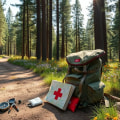
- First Aid Kit: Accidents can happen, even on well-trodden paths. A comprehensive first aid kit should include bandages, antiseptic wipes, pain relief medication, and any personal medications you may need. Familiarise yourself with basic first aid procedures before heading out.
- Appropriate Clothing: Dressing in layers is key to adapting to changing weather conditions.
Choose moisture-wicking base layers, insulating mid-layers, and waterproof outer layers. Don’t forget a sturdy pair of hiking boots that provide good ankle support and traction.
- Emergency Supplies: Always pack a whistle, a multi-tool or knife, and a flashlight with extra batteries. These items can be invaluable in emergency situations.
- Food and Water: Carry enough water to stay hydrated throughout your hike, as well as high-energy snacks like nuts or energy bars. A portable water filter or purification tablets can also be useful if you plan to refill from natural sources.
Navigating Remote Trails: Tips and Techniques
When venturing into remote areas, navigating trails effectively is crucial for your safety and enjoyment.Here are some essential tips and techniques to help you stay on track.
- Familiarise Yourself with Maps: Before setting out, study the topographic maps of the area. Pay attention to contour lines, which indicate elevation changes, and note any landmarks that can serve as reference points during your hike.
- Use a Compass: A compass is an invaluable tool for navigation. Learn how to take a bearing and orient your map accordingly. This skill will help you maintain your direction even when trails are not clearly marked.
- GPS Devices: While traditional methods are essential, modern technology can enhance your navigation experience.
Use a GPS device or a smartphone app designed for hiking. Ensure that you download maps for offline use, as remote areas may lack cellular service.
- Track Your Route: Consider using a GPS tracker or a mapping app that allows you to record your route. This can be particularly useful if you need to retrace your steps or if visibility decreases due to weather changes.
- Landmark Navigation: As you hike, keep an eye out for natural landmarks such as rivers, mountains, or distinctive rock formations. These can help you gauge your position and direction.
- Practice Navigation Skills: Before heading into the wilderness, practice using your map and compass in familiar surroundings.
This will build your confidence and ensure you are prepared when faced with challenging conditions.
Staying Aware of Your Surroundings
When venturing into remote areas for camping and hiking, maintaining a keen awareness of your surroundings is crucial for ensuring your safety. This vigilance can help you avoid potential hazards, including wildlife encounters and sudden changes in weather.Stay Alert to Your Environment
- Observe the Trail: Keep your eyes on the path ahead. Look out for any signs of wildlife, such as tracks or droppings, which can indicate the presence of animals nearby.
- Listen Carefully: Sounds in nature can provide important clues about your surroundings.
Pay attention to rustling leaves or unusual noises that may signal the approach of wildlife.
- Use All Your Senses: Engage all your senses while hiking. The smell of wet earth or the sudden chill in the air can alert you to changing weather conditions.
Be Prepared for Wildlife Encounters
While most wildlife is more afraid of humans than we are of them, it’s essential to be prepared for unexpected encounters. Here are some tips:
- Know the Local Wildlife: Research the types of animals that inhabit the area you are hiking in. Understanding their behaviour can help you react appropriately if you encounter them.
- Make Noise: When hiking in areas known for wildlife, make noise to alert animals to your presence.
This can help prevent surprise encounters.
- Avoid Feeding Wildlife: Feeding animals can encourage them to approach humans, leading to dangerous situations. Keep food securely stored and dispose of waste properly.
Monitor Weather Conditions
The weather in remote areas can change rapidly. Stay informed by checking forecasts before your hike and being aware of any signs of changing conditions, such as darkening skies or a drop in temperature. Carrying a lightweight rain jacket or an extra layer can make a significant difference in your comfort and safety.By staying aware of your surroundings and being prepared for various scenarios, you can enhance your hiking experience while minimising risks associated with camping and hiking in remote areas.
Emergency Preparedness: What to Do If Things Go Wrong
When venturing into remote areas for camping and hiking, being prepared for emergencies is crucial.Nature can be unpredictable, and having a plan can make all the difference in ensuring your safety.
Before You Go: Preparation is Key
Start by informing someone about your hiking plans, including your expected return time. This way, if you don’t return as scheduled, they can alert authorities. Additionally, consider the following:- Pack a First Aid Kit: Ensure it includes essentials like bandages, antiseptic wipes, and any personal medications.
- Carry a Map and Compass: Even if you have a GPS device, having traditional navigation tools can be invaluable if technology fails.
- Emergency Whistle: A whistle can be heard over long distances and is more effective than shouting.
- Multi-tool or Knife: Useful for various situations, from preparing food to making repairs.
What to Do in a Hiking Emergency
If you find yourself in an emergency situation while hiking, follow these steps:- Stay Calm: Panic can cloud your judgment. Take deep breaths and assess the situation.
- Evaluate Your Surroundings: Determine if you are injured or if anyone in your group needs immediate assistance.
- Signal for Help: Use your whistle or mirror to attract attention.
If you have a mobile phone with signal, call for help.
- Find Shelter: If you are stranded overnight, look for natural shelters like caves or dense trees to protect yourself from the elements.
Survival Tips for Hikers
In addition to knowing what to do in an emergency, consider these survival tips:- Stay Hydrated: Always carry enough water and know how to purify water from natural sources.
- Food Supplies: Pack high-energy snacks that are lightweight and easy to carry.
- Fire Starting Tools: Carry waterproof matches or a lighter to help you start a fire for warmth and cooking.
Staying Hydrated and Nourished on the Trail
When embarking on a hiking adventure, especially in remote areas, staying hydrated and nourished is crucial for both your safety and enjoyment. Dehydration can lead to fatigue, dizziness, and even serious health issues, while inadequate nutrition can sap your energy and hinder your performance on the trail.Hydration Tips for Hikers
To ensure you remain well-hydrated during your hike, consider the following tips:- Drink Water Regularly: Aim to drink water at regular intervals rather than waiting until you feel thirsty. A good rule of thumb is to consume about half a litre of water every hour, adjusting based on the temperature and your activity level.
- Use a Hydration System: A hydration bladder or reservoir allows for easy sipping while on the move.
This can encourage more frequent hydration compared to stopping to drink from a bottle.
- Monitor Your Urine Colour: A simple way to gauge hydration is by checking the colour of your urine. Pale yellow indicates good hydration, while dark yellow suggests you need to drink more.
- Consider Electrolyte Supplements: In hot conditions or during strenuous hikes, adding electrolyte tablets or powders to your water can help replenish lost minerals and maintain hydration levels.
Nourishment on the Trail
Your body requires fuel to keep moving efficiently. Here are some food options that are ideal for hiking trips:- Energy Bars: These are convenient and packed with calories, making them an excellent choice for quick energy boosts.
- Nuts and Dried Fruits: A mix of nuts and dried fruits provides healthy fats, protein, and carbohydrates, all essential for sustained energy.
- Jerky: High in protein and lightweight, jerky is a great option for those looking to maintain muscle energy during long hikes.
- Whole Grain Sandwiches: If you prefer a more substantial meal, prepare sandwiches with whole grain bread, lean meats, and plenty of vegetables for added nutrients.
Respecting Nature: Leave No Trace Principles
When venturing into the great outdoors, particularly in remote areas, it is crucial to adopt the Leave No Trace principles.These guidelines not only help preserve the natural beauty of our environment but also enhance your safety while hiking. By respecting nature, you contribute to a sustainable ecosystem that can be enjoyed by future generations.Here are some key eco-friendly hiking tips to keep in mind:
- Plan Ahead: Before setting out, research your destination. Understand the local wildlife, weather conditions, and any specific regulations regarding camping and hiking.
- Stay on Trails: To minimise your impact, always stick to established paths. This helps prevent soil erosion and protects fragile vegetation.
- Pack It In, Pack It Out: Whatever you bring with you should leave with you.
This includes food wrappers, leftover food, and any other waste. Consider using biodegradable products where possible.
- Respect Wildlife: Observe animals from a distance and never feed them. Feeding wildlife can alter their natural behaviours and lead to dangerous encounters.
- Leave Natural Objects Alone: Avoid picking plants or disturbing rocks and historical sites. These elements are part of the ecosystem and should remain undisturbed.
- Use Established Campsites: When camping, choose designated sites to reduce your impact on the environment.
This helps preserve the surrounding area for others to enjoy.
Frequently Asked Questions About Hiking Safety
When it comes to hiking safety, many enthusiasts have questions that can help them prepare better for their adventures. Here are some of the most frequently asked questions:What should I do if I get lost while hiking?
If you find yourself lost, the first step is to stay calm.Panic can lead to poor decision-making. Use a map and compass or a GPS device to try and determine your location. If you cannot find your way, it’s often best to stay put and wait for help, especially if you have informed someone of your hiking plans.
How can I prevent injuries while hiking?
- Wear appropriate footwear: Invest in good quality hiking boots that provide support and grip.
- Warm up: Stretch before starting your hike to prepare your muscles.
- Know your limits: Choose trails that match your fitness level and experience.
What should I pack for a safe hiking trip?
A well-prepared hiker should carry:- First aid kit: Include essentials like band-aids, antiseptic wipes, and pain relievers.
- Navigation tools: A map, compass, or GPS device is crucial for finding your way.
- Emergency supplies: A whistle, flashlight, and extra food and water can be lifesavers.
How do I stay hydrated while hiking?
Staying hydrated is vital for maintaining energy levels. Carry enough water for your hike, and consider using a hydration pack for easy access.Drink regularly, even if you don’t feel thirsty, as dehydration can sneak up on you.
What wildlife should I be aware of while hiking?
Depending on the region, you may encounter various wildlife. Familiarise yourself with local animals and their behaviours. For example, know how to react if you see bears or snakes. Carry bear spray if you're in bear country and make noise while hiking to avoid surprising wildlife.By addressing these common questions about hiking safety, you can enhance your preparedness and enjoy a safer outdoor experience.Conclusion: Key Takeaways for Safe Hiking Adventures
In conclusion, ensuring your safety while hiking in remote areas is paramount for an enjoyable and memorable experience.By adhering to the following key takeaways, you can significantly reduce risks and enhance your outdoor adventures.
- Plan Ahead: Always research your hiking route, including terrain, weather conditions, and potential hazards. Inform someone about your plans and expected return time.
- Pack Essentials: Carry a well-stocked backpack with essentials such as water, food, a first-aid kit, navigation tools, and appropriate clothing. A reliable map and compass can be invaluable in remote areas.
- Stay Aware of Your Surroundings: Keep an eye on the trail and be mindful of changing weather conditions. Being aware of your environment can help you avoid potential dangers.
- Travel with a Companion: Whenever possible, hike with a friend or group.
There’s safety in numbers, and having someone with you can be crucial in case of emergencies.
- Know Your Limits: Choose trails that match your fitness level and experience. Don’t push yourself too hard; it’s better to enjoy a shorter hike than to risk injury on a challenging trail.
- Emergency Preparedness: Familiarise yourself with basic survival skills and carry a whistle or signal mirror. In case of an emergency, these tools can help rescuers locate you more easily.